Free Shipping on US orders over $150
-
Collections
-
Bikini
- One Pieces
- Cover-Ups
- Men's
- Sale
- MODA GLAM x L'ANIMAL
- Nice Breed
-


A slim belt at the natural waist, a shoe swap that matches the occasion, and one smart layering choice turn any kaftan from a beach cover-up into a finished outfit. That single combination solves most of what makes a kaftan look shapeless or thrown-on. Four formulas cover almost every situation you’ll wear one in:
Lital Simel-Rhedrick, the designer and stylist behind Lanimal, built these formulas around a simple idea: a kaftan is a canvas, not a finished look on its own.
A belt at the natural waist, a deliberate shoe swap, and one layering choice are the three moves that make any kaftan look intentional across beach, city, and evening occasions.
| Point | Details |
|---|---|
| Belt placement changes everything | Move the belt from hip to natural waist to shift a look from beach-casual to lunch-ready. |
| Shoes set the formality level | Flats and slides read daytime, wedges bridge to lunch, and heeled sandals move you into evening. |
| Fabric should match the use | Choose cotton, linen, or rayon for travel and day wear; save silk and embellished styles for evening. |
| Body-type adjustments are simple | Define the waist, manage sleeve volume, and pick a hemline that flatters your height and frame. |
| Layering extends the season | Wear kaftans over trousers or a slip dress with a blazer or denim jacket for cooler months. |
| Lanimal supports the formulas | Lanimal’s coverups and resortwear are built for the poolside-to-evening transitions covered above. |
Kaftan styling comes down to repeatable moves, not guesswork. Here are six formulas, from the most relaxed to the most dressed-up, each built around a specific fabric, shoe, and finishing detail.
Pro Tip: Keep a thin fabric or leather tie in your bag on vacation. It’s the fastest way to convert a shapeless kaftan into a belted silhouette without packing an extra accessory.
Fit determines whether your styling plans will actually work, so get this right before you buy. A kaftan’s hemline dictates your shoe options: knee-length pairs naturally with flats or low wedges, midi-length gives you room for heeled sandals or ankle boots, and full-length floor kaftans need a heel or wedge to avoid dragging.
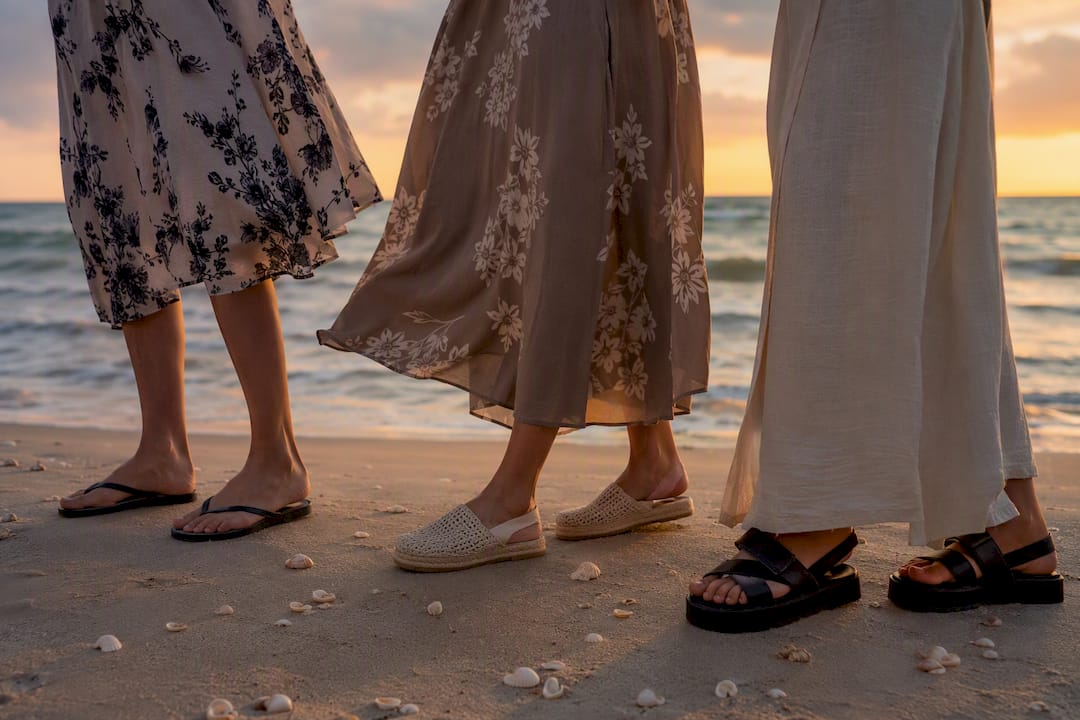
Fabric should match intended use. Cotton, linen, and rayon breathe well and hold up to daily wear, sun, and packing, making them the right pick for beach days and travel. Silk, chiffon, and embellished fabrics belong in evening or event territory. Style guides that break down fabric choices by occasion consistently draw this same line between everyday and event fabrics.
Before you buy, check these details:
The fastest way to shift a kaftan from casual to dressed-up is through three categories: shoes, belts, and bags. Change one and you shift the mood slightly. Change all three and you’ve built an entirely different outfit from the same piece.
Footwear does the heaviest lifting. Flat sandals and slides keep things poolside and relaxed. Wedges add height without sacrificing comfort for a shore lunch. Heeled sandals or block heels move you into evening territory, while clean white sneakers give a modern, off-duty edge that works surprisingly well with a simpler cotton kaftan.
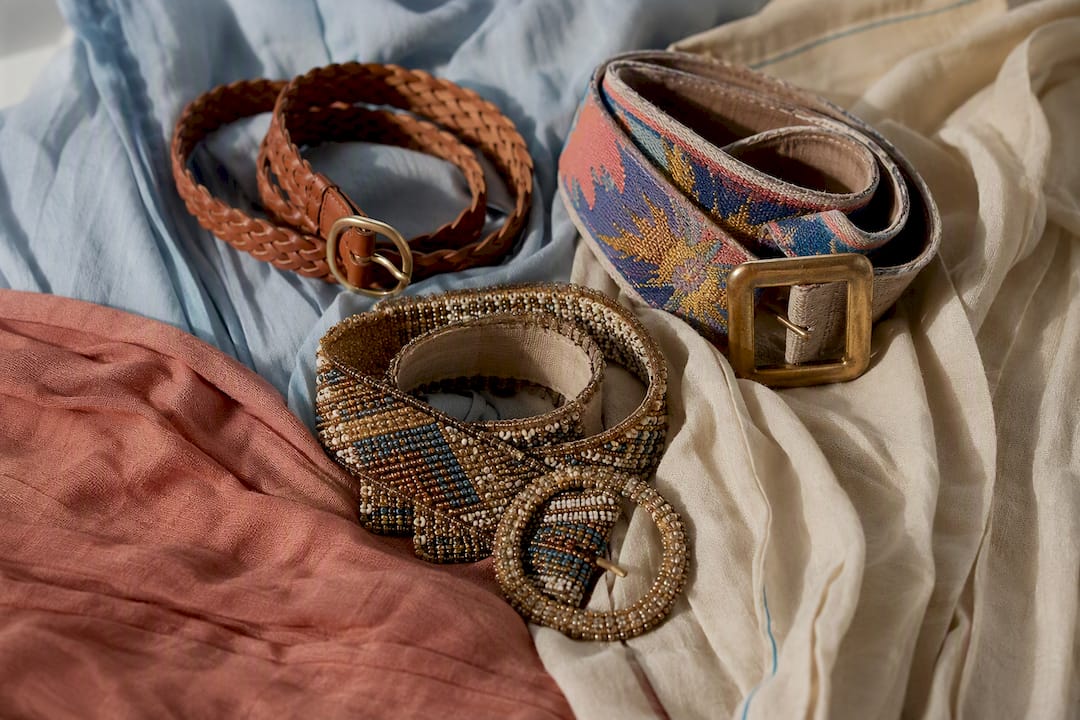
Belts come in three basic types: a thin cord or leather tie for a subtle waist definition, a wide statement belt for a bolder silhouette, and a metallic chain belt that instantly dresses up an evening look. Place it at the hip for a relaxed daytime feel or the natural waist for something more polished.
Bags should scale with the occasion: a straw tote or woven basket bag for day, a small structured clutch for evening. Jewelry works best as one statement piece (oversized earrings or a cuff) rather than several competing pieces, and matching metal tones to your kaftan’s print, gold for warm tones, silver for cool ones, keeps the whole look cohesive. If you want a reference point for building out a statement piece collection, guides on jewelry for formal occasions cover proportion rules worth applying here too.
Pro Tip: To go from day to evening without repacking, carry one small clutch and one pair of heeled sandals in your bag. Swap both at the bar, and you’ve transformed the whole outfit in under a minute.
Three rules apply no matter your shape: define your waist somewhere on your body, manage sleeve volume so it doesn’t overwhelm your frame, and choose a hemline that hits a flattering point on your leg rather than an awkward mid-calf cut.
Vertical stripes and smaller-scale prints tend to elongate, while bold, large-scale patterns work best on taller frames or when the goal is a single statement piece rather than a subtle look.
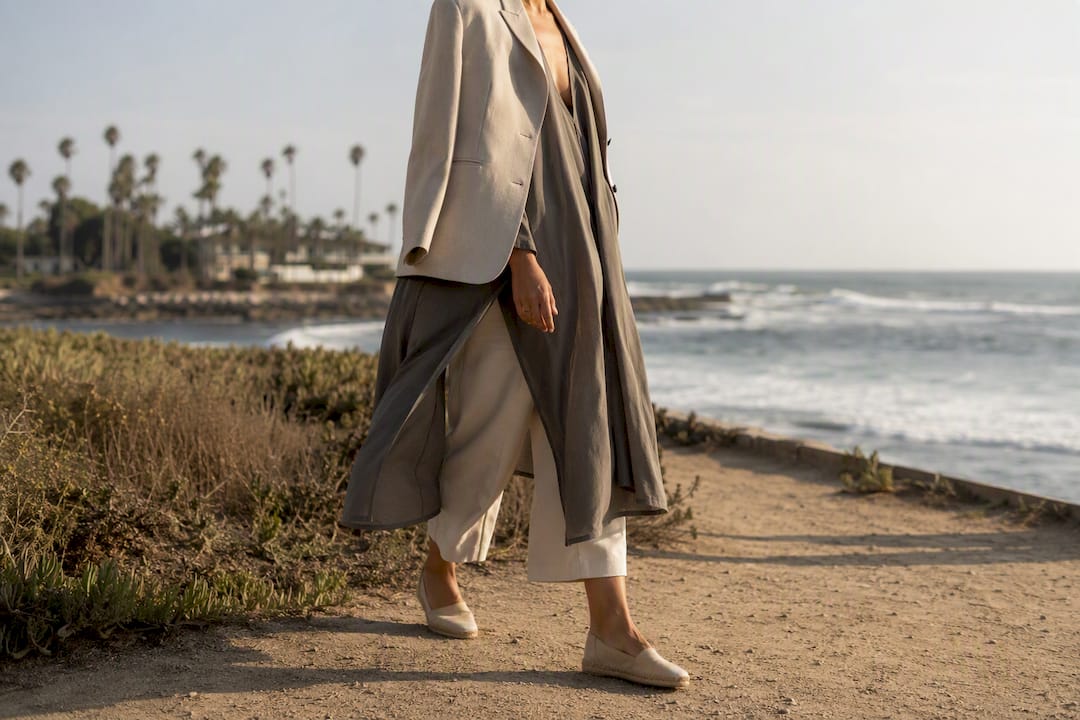
Kaftans work well past summer once you treat them as a layering piece instead of a standalone item. Wear an open-front kaftan over a slip dress or column dress for evening, letting the kaftan act as a soft outer layer rather than the whole outfit.
For cooler weather or more modest coverage, layer a kaftan over straight-leg trousers or leggings. This combination, sometimes styled editorially with trousers underneath, reads as intentional rather than accidental, a trick highlighted in styling roundups on kaftan outfit ideas. A denim jacket keeps things casual, while a long blazer or a structured cape adds polish for dinner or travel days.
For packing, choose wrinkle-resistant rayon or lightweight linen blends, and roll rather than fold to minimize creasing in transit.
In fitting rooms, the fastest fix for a shapeless kaftan comes down to three moves: belt, roll, knot. Belt at the natural waist. Roll each sleeve once or twice to shorten the proportion. Knot the front hem slightly to one side if the kaftan runs long. All three take under two minutes and require no tailoring.
A kaftan is one of the only garments where the fix for looking “off” isn’t a different size, it’s three small adjustments to the one you already own.
For travel, pack kaftans in breathable rayon or cotton blends, which resist deep creasing better than silk. Roll rather than fold, and a two-minute steam before wearing removes most travel wrinkles.
Pro Tip: If you only pack one kaftan for a trip, choose a solid color in a breathable fabric. It works with every accessory combination in your suitcase.
Most advice treats kaftan styling as an afterthought, something you toss over a swimsuit and forget about. That’s backwards. The kaftan is one of the most versatile pieces in a warm-weather wardrobe precisely because it responds so dramatically to small adjustments, and treating it as a lazy layer wastes that flexibility entirely.
What gets overlooked most is how much shoes and belts do compared to buying an entirely new piece for each occasion. Readers often assume they need a “beach kaftan” and a separate “evening kaftan.” In practice, one well-made kaftan in a versatile fabric, styled with intention, covers both if you’re willing to change the shoes and add a belt.
My honest read: fit and fabric matter more than print or embellishment when you’re buying just one. A well-cut, breathable kaftan you can dress up or down beats a heavily embellished one that only works for a single occasion. Buy for versatility first, then build your accessory rotation around it.
— Lital
If you’re building the poolside and shore-lunch formulas above, start with a coverup cut for movement and breathable fabric, the kind that goes straight from a lounge chair to a beachside table without you changing a thing. Lanimal’s collection was designed with exactly that transition in mind: pieces that photograph well and hold their shape through a full day in the sun.

For the poolside formula specifically, pair a lightweight coverup with the Sportif Bikini Bottom underneath, then add your belt and sandals once you’re ready to move from the water to lunch. If you want to see the fuller range of coverups and resort pieces built for these exact formulas, browse the current collections and pick the fabric weight that matches your next trip.


