Free Shipping on US orders over $150
-
Collections
-
Bikini
- One Pieces
- Cover-Ups
- Men's
- Sale
- MODA GLAM x L'ANIMAL
- Nice Breed
-


Inclusive sizing means offering the same styles across a broad, continuous range of sizes so every body can buy the identical garment, not a separate collection built for larger bodies. That’s the core distinction from plus-size: plus-size is a category (usually a separate line, separate patterns, sometimes even a separate website section), while inclusive sizing extends one design across a continuous size run with the same fabric, same cut logic, and same release date.
Here’s the actionable part. When you’re shopping, check whether a brand sells the exact same style in a 2XL as it does in a small, at the same time, at the same price. If the larger sizes only show up weeks later in a “curve” section with fewer prints and a higher price tag, that’s extended sizing wearing an inclusive-sizing label. Consumer sentiment backs up why this distinction matters: Many shoppers feel fashion brands do not adequately represent a variety of body shapes and sizes in their campaigns. This sentiment is even stronger in luxury fashion.
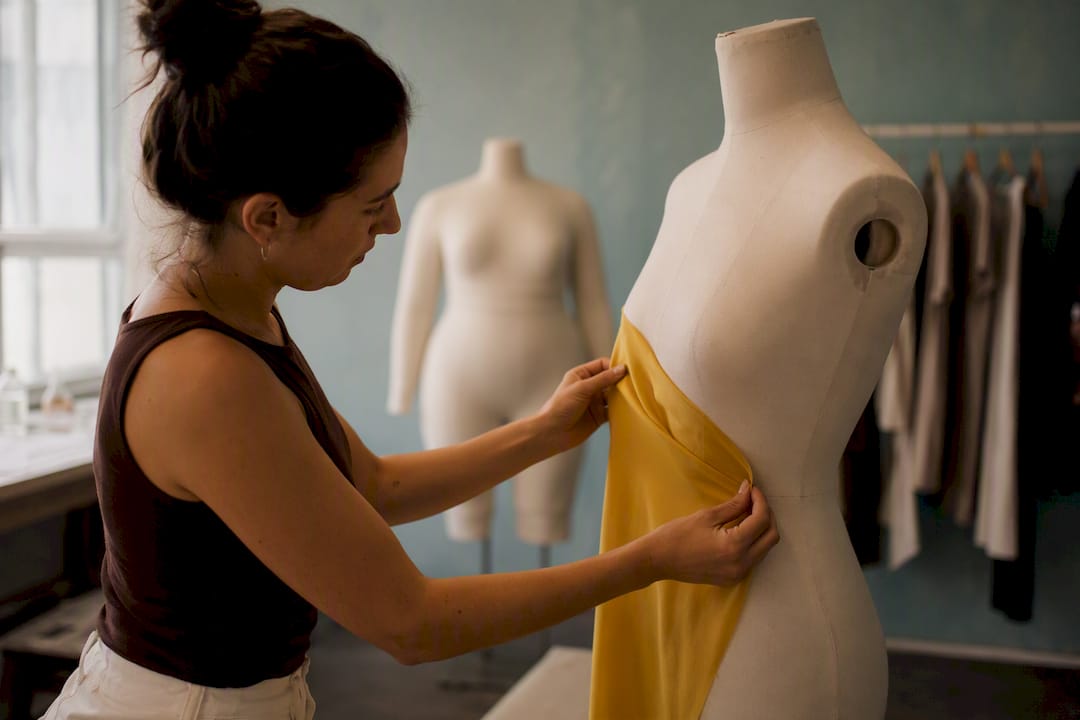
Inclusive sizing succeeds when a brand grades every size individually, releases the full range simultaneously, and charges one price across the board.
| Point | Details |
|---|---|
| Definition matters | Inclusive sizing means one collection, one price, and full-range availability, not a separate plus line. |
| Grading beats scaling | Proper grading adjusts proportions per size instead of multiplying one pattern up linearly. |
| Trust drives sales | Inclusive ranges raise perceived trustworthiness and willingness to pay. |
| Watch for fit-washing | Separate sections, delayed drops, and price premiums signal marketing over substance. |
| 3XL alone isn’t proof | Evaluate grading quality, photo representation, and pricing parity before trusting a single size claim. |
A brand can claim to be size-inclusive, but the claim only holds up if certain things happen behind the scenes and on the product page. True inclusivity isn’t a marketing checkbox. It’s a set of operational commitments that show up in how a garment is designed, priced, and sold.
Here’s what separates the real thing from the label:
The grading distinction trips up a lot of shoppers and even some smaller brands. Linear scaling just multiplies every measurement by a fixed percentage as sizes go up. Real grading accounts for the fact that hips, waist, and bust don’t grow at the same rate as you move from a small to a 3XL. A size 8 pattern scaled up linearly to a size 20 will usually gape at the shoulders or pull at the hip, because shoulder width doesn’t expand at the same pace as hip circumference.
Pro Tip: Ask a brand directly whether their extended sizes are fit-tested on real bodies in that size range, not just scaled from a sample size. If they can’t answer, that tells you something.
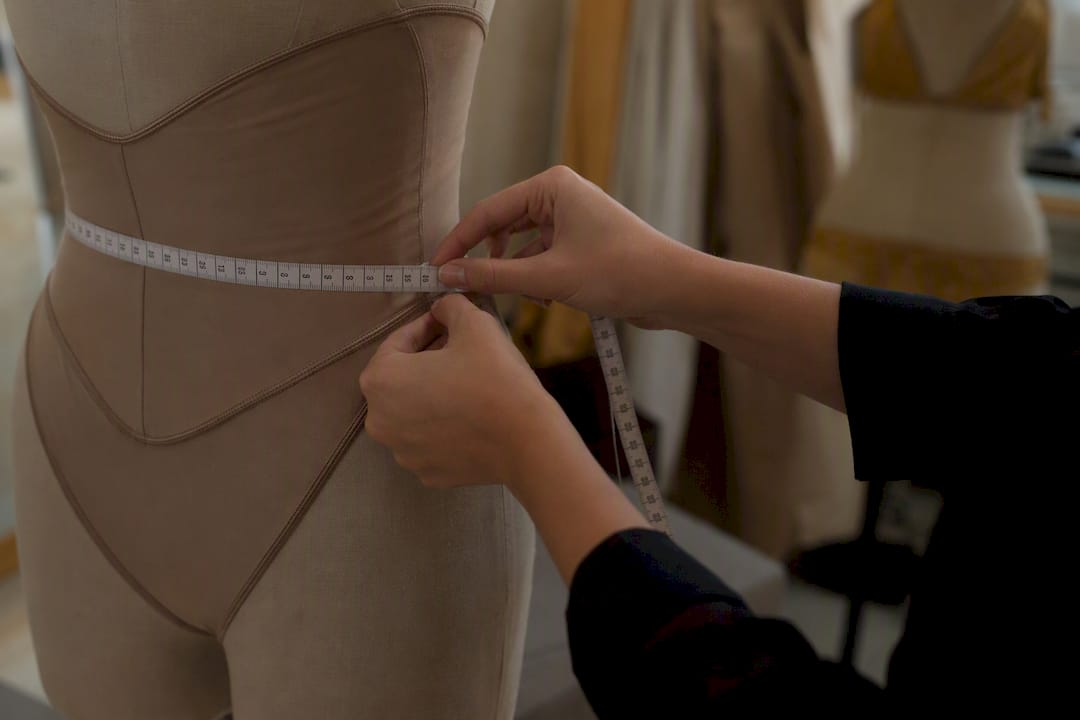
These terms get used interchangeably in marketing, but they mean different things once you look at how a garment actually reaches the size range in question.
Watch for red flags on a product page: a “curve” tab separate from the main collection, a note that plus sizes “ship in 2 to 3 weeks,” or a price that’s $10 higher for the same style in a larger size. Any of those signals extended sizing dressed up as inclusivity, and they’re worth clocking before you add something to your cart.
The case for inclusive sizing isn’t just about representation, though that’s a real part of it. It’s also a business case with numbers behind it. A 2025 study found that offering an inclusive range of sizes increases consumers’ perceptions of retailer trustworthiness and can raise both willingness to pay and purchase intent. That’s not a soft benefit. It shows up directly in conversion and repeat purchase behavior.
For shoppers, the benefits are practical: less guesswork at checkout, fewer garments that don’t match their online photos, and more trust that a brand designed with them in mind rather than as an afterthought. For brands, the benefits compound:
With e-commerce accounting for a growing share of global retail sales, the product page has become the fitting room. A brand that gets sizing right there wins the sale before the box even ships.
Getting inclusive sizing right takes more than adding a few sizes to an existing pattern. It requires rethinking the process from the first sketch to the final product photo.
A quick self-audit checklist for brand teams:
Pro Tip: Sample at the extremes of your range first, not last. If a design doesn’t work at the top or bottom of your size run, you’ll need to redesign anyway. Better to find out before you’ve built the whole collection.
Cost and lead time are real tradeoffs here. Grading properly across a wider range takes more development time and more sample rounds than scaling a single pattern. It’s a legitimate reason inclusive sizing costs more to build upfront, but it isn’t a legitimate reason to charge the customer more for the finished product.
A lot of brands say “size-inclusive” while doing something closer to the opposite. Industry commentary calls this fit-washing: the appearance of inclusion without the substance behind it.
Watch for these patterns:
Each of these erodes trust the moment a shopper notices, and shoppers notice fast.
Before you buy, run through a short checklist. It takes two minutes and saves you a return shipment.
For swimwear specifically, adjustability matters more than almost any other category. A swimsuit with adjustable straps or side ties can accommodate a wider range of torso lengths and hip curves than a fixed-cut style ever will. Check the brand’s size guide for actual body measurements, not just letter sizes, and confirm the return policy before you buy, especially for anything ordered online without trying it on first.
A single large size on the rack doesn’t make a collection inclusive. The real test is what surrounds that 3XL.
Ask these questions before assuming a brand has it figured out:
If the answer to any of these is no, the 3XL is more marketing than substance.
Swimwear is one of the hardest categories to get right across a size range, because the body is nearly fully visible and fit errors show up immediately. At Lanimal, sampling happens across the size range before a style ever goes into production, and pattern blocks get adjusted individually rather than scaled from one master pattern. Pattern choices shape how a swimsuit actually sits on the body, which is why grading each block matters more than it seems from the outside.
Fit features that support the range include:
Pro Tip: Photograph swimwear on more than one body type before it ever reaches a product page. A style that looks flattering on one shape can look completely different on another, and shoppers deserve to see both before they buy.
We built Lanimal around the idea that swimwear should work the same way for every body that wears it, not a version of the design and a compromise. If you’re shopping, start with our size guide and check fit notes before you buy. If you’re a brand rethinking your own sizing strategy, the steps above are a real starting point, not a wish list.


