Free Shipping on US orders over $150
-
Collections
-
Bikini
- One Pieces
- Cover-Ups
- Men's
- Sale
- MODA GLAM x L'ANIMAL
- Nice Breed
-


Gender neutral swimwear is any swimsuit designed without a fixed male or female silhouette in mind, built instead around adjustable fit, coverage choices, and cuts that work across body types. Three examples make the concept click fast: a unisuit with a straight, neutral torso line and no shaped bust cups, a swim tank or cropped tank paired with trunks, and trunk-style bottoms with a longer rise that skips the low-cut angles of a typical men’s or women’s suit. The rest of this guide walks through fit, fabric, brands, and safety so you can shop with confidence instead of guesswork.
Gender-neutral swimwear works when it prioritizes adjustable fit, wide gussets, and flat construction over any single gendered silhouette.
| Point | Details |
|---|---|
| Measure torso length first | It determines whether a one-piece or unisuit rides up or fits cleanly through the body. |
| Choose fabric by activity | Polyester and polyamide blends resist chlorine better; nylon/Lycra offers the snuggest stretch. |
| Respect compression limits | Never wear a binder for extended periods in water, and skip it if breathing feels restricted. |
| Start with brand roundups | TomboyX, UNTAG, Chromat, and similar brands each solve fit differently, so compare a few. |
| Look for engineered fit | Lanimal builds adjustable straps and gusset width into its designer swimwear for women and men. |
Gender neutral or gender-fluid swimwear is built to transcend the usual male/female categories and to fit a wider range of anatomies and presentation styles, according to the guide at Gender Fluid Swimsuit. That is the technical definition. In practice, it comes down to four design choices: de-gendered cuts that skip shaped cups or contoured bottoms, adjustable elements like drawstrings and convertible straps, flexible coverage that lets the wearer decide how much skin shows, and styling that reads as neutral rather than borrowed from one side of the aisle.
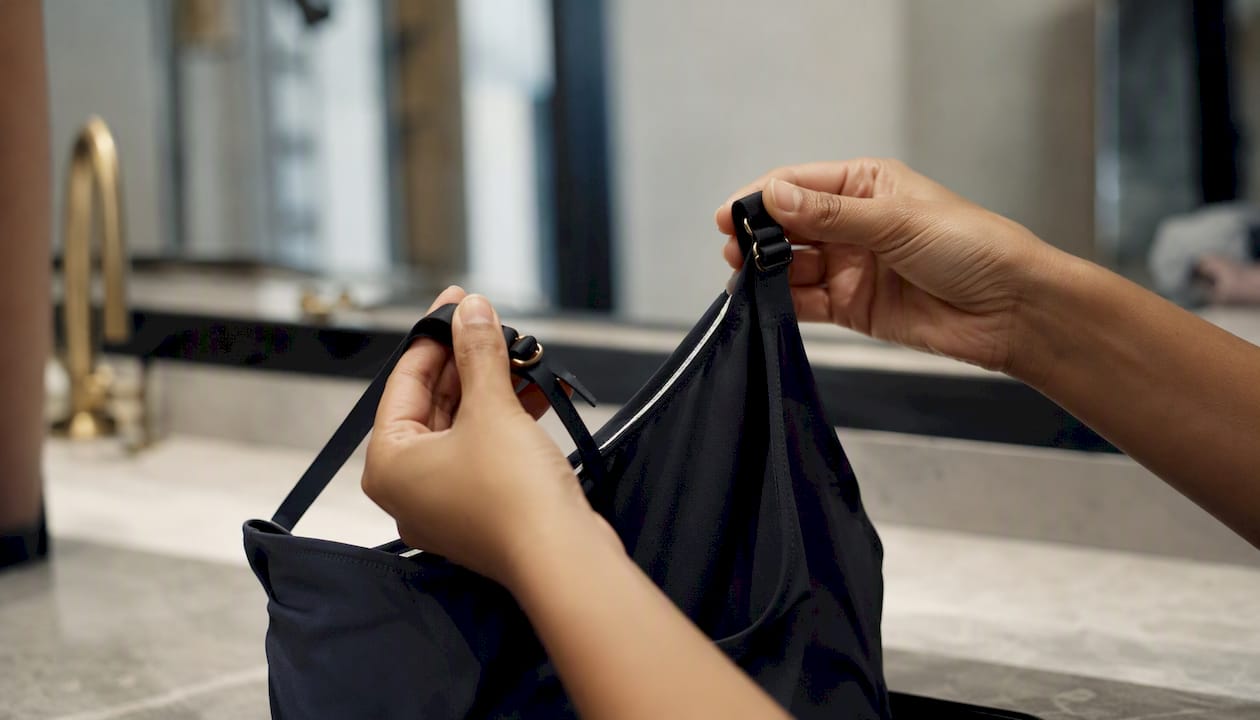
The goal is not to erase style. It is to give people control over how their body is read at the pool or beach, while staying comfortable enough to actually swim. A panel of 22 stylists, surfers, models, and musicians told The Strategist that gender-neutral swimwear covers a genuinely wide range of approaches, and that wider gussets and adjustable fits matter more than any single silhouette.
That same panel raised a distinction worth sitting with: the difference between dressing “genderful” and dressing “genderless.”
Mixing masculine and feminine elements deliberately, rather than stripping a garment of gender signals entirely, was described by panelists as a more honest approach to affirming personal style. Comfort and safety in public spaces often shaped those choices as much as any aesthetic preference.
That framing matters because “neutral” doesn’t have to mean plain. A swim tank with a bold print and a drawstring waist can be just as gender-neutral as an all-black unisuit. What both share is a cut that doesn’t assume a specific body underneath it.
A handful of shapes show up again and again across gender-neutral collections, each solving a different comfort or coverage need.
Beyond the shape itself, a few construction details do most of the heavy lifting.
Pro Tip: Small changes shift how a suit reads more than the overall silhouette does. A wider strap and a higher neckline tend to look more traditionally masculine; a narrower strap and lower leg cut tend to read more traditionally feminine. If you want a truly neutral look, aim for mid-width straps, a straight (not scooped) neckline, and a leg cut that hits close to the hip crease rather than high on the thigh.
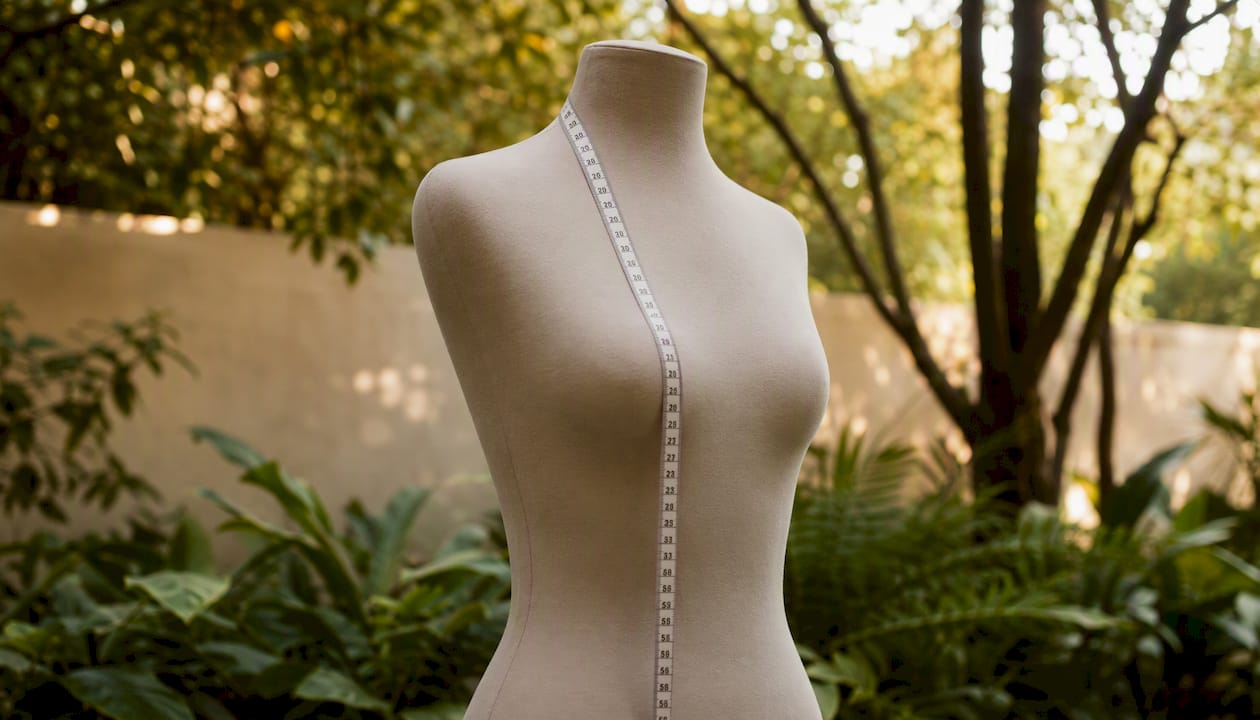
Fit determines whether a gender-neutral suit actually feels good, or whether it just looks right on a hanger. Four measurements matter most: torso length, waist, hip, and chest. Torso length deserves special attention for one-pieces and unisuits, because a suit that’s too short in the body rides up constantly, and one that’s too long bunches at the crotch. Brand guides note that gender-neutral cuts often run intentionally longer through the torso to accommodate a wider range of proportions, per Both & Apparel’s construction notes, which is why sizing up occasionally beats sizing for your usual number.
| Measurement | How to measure | What it affects |
|---|---|---|
| Torso length | Measure from shoulder to crotch, following the spine | One-piece and unisuit fit; prevents riding up or bunching |
| Waist | Measure around the natural waistline, not the hip bone | Drawstring bottoms, trunk rise, skort fit |
| Hip | Measure at the widest point of the hips and seat | Bottom coverage, leg cut placement |
| Chest | Measure around the fullest part of the chest, straight across | Tank fit, rash guard sizing, room for compression layers |
Fit priorities shift depending on what you’re solving for. If coverage is the goal, look for higher necklines and longer inseams. If concealment matters more, flat-front panels and compression zones do the work without extra bulk. For sport performance, prioritize wider gussets and four-way stretch fabric that won’t restrict a swim stroke. When in doubt, order two sizes and plan to return one. Most inclusive retailers expect that, and it beats guessing on torso length.
Wider gussets and multiple gusset-width options were specifically called out by stylists as the detail that most improves comfort and confidence in gender-neutral swimwear, more than color or print choice.
One safety note before you buy anything with a binding or compression element built in: chest binders and compression garments are not designed for extended wear, and that includes time in water. Avoid anything that restricts breathing or circulation, never wear a binder for more than eight to ten hours in any context, and talk to a doctor if you’re unsure whether a specific garment is safe for swimming.
The fabric under the design does most of the real work once you’re actually in the water. Three fabric families dominate gender-neutral swimwear, and each comes with trade-offs worth knowing before you buy.
| Fabric | Fit and stretch | Durability | Chlorine resistance | Dry time |
|---|---|---|---|---|
| Nylon/Lycra blend | Excellent stretch, holds shape well | Moderate, degrades faster with heavy chlorine exposure | Fair | Fast |
| Polyester/recycled polyester | Good stretch, slightly firmer hand | High, resists chlorine breakdown well | Strong | Moderate |
| Polyamide blends | Very good stretch, smooth finish | High | Strong | Fast |
If you swim in a chlorinated pool regularly, polyester or polyamide blends outlast nylon by a wide margin. If you want the snuggest, most second-skin fit, a nylon/Lycra blend usually wins on stretch and recovery. Double-layer panels and full linings add opacity and shape control, which matters if you’re relying on a flat-front panel or built-in compression instead of a separate binder. Look for UPF ratings on the tag; UPF 50+ blocks the vast majority of UV rays, which matters more than most swimmers realize until they’ve had a sunburn through a thin suit.
On sustainability, three signals are worth checking before checkout: recycled fiber content (often labeled as recycled polyester or recycled nylon), any certified supply chain claims on the brand’s own site, and whether the brand publishes care instructions that actually extend the garment’s life. A suit that lasts three seasons instead of one is the more sustainable purchase even before recycled content enters the picture.
A growing number of brands build specifically for gender-nonconforming, trans, and non-binary swimmers, each with a slightly different focus.
Editorial roundups are a solid discovery tool if you want to compare options quickly. Sports Illustrated Swimsuit’s brand roundup calls out ethically sourced fabrics and expanded size ranges as two trends worth watching across the category, and mainstream retailers are increasingly stocking longer-rise trunks and sport-style tops too, so you’re no longer limited to a handful of niche shops. Lanimal offers designer swimwear for both women and men, including collaboration pieces, with more detail on fit resources further down this guide.
Small construction choices decide whether a swimsuit actually feels neutral on the body, not just on the size chart. Seam placement is the first thing to check: a seam that sits directly along the hip crease will pull and gap during movement, while one placed a half inch higher or lower can eliminate that problem entirely. Gusset width is the second lever, and it’s the one stylists mention most often because it affects range of motion as much as visual line, echoing what the panel at The Strategist emphasized about comfort-first design.
Strap geometry is the quieter detail. A strap set an inch closer to the neckline reads differently than one set toward the shoulder’s edge, and adjustable hardware lets one design serve both preferences instead of forcing a choice at the cutting table.
Building a unisuit that works for a broad range of torso lengths means treating the rise and the strap drop as adjustable variables from the start, not as an afterthought fixed after a single fit model.
Two concrete before-and-after changes show how much this matters. Moving a bottom’s leg-hole seam from a high-cut angle to a straight, hip-level line changes the entire read of a garment without changing the fabric or color. Adding a half inch of adjustability to a shoulder strap turns one tank top into a piece that fits a narrow frame and a broad one equally well. Neither change costs much to make. Both change how the finished piece feels to wear.
Watching swimwear design shift toward genuinely inclusive cuts has been one of the more encouraging changes in the industry over the past few years. A well-built gender-neutral suit does something simple but real: it lets someone walk to the water without negotiating with their own reflection first. That’s not a small thing at a public pool or a crowded beach. The practical advice in this guide, measuring your torso length carefully, choosing fabric based on how you actually swim, checking gusset width before you check the print, all points toward the same outcome. Fit and comfort, not gendered marketing, should decide what goes in your bag.
Lanimal designs swimwear for both women and men with the same attention to seam placement, gusset width, and adjustable fit discussed throughout this guide, built by designer and stylist Lital Simel-Rhedrick rather than adapted from a single gendered pattern. Every piece is designed with the same commitment to quality and timeless style, so the fit choices you just learned to look for, wider gussets, adjustable straps, flat construction, are already built into the collection rather than something you have to hunt for.
If torso length or gusset width has ever been the reason a suit didn’t work for you, Lanimal’s size charts and fit resources are the place to start before you buy. Browse the current swimwear collection and check the fit guide against your own measurements before choosing a size.
What is gender neutral swimwear, in simple terms? It’s swimwear designed without a fixed male or female silhouette, using adjustable fit, neutral cuts, and flexible coverage so it works across a wide range of bodies and presentation styles.
Is gender neutral swimwear the same as unisex swimwear? They overlap but aren’t identical. Unisex swimwear options are usually one size or cut marketed to any gender, while gender-neutral swimwear specifically avoids gendered design cues like shaped cups or contoured bottoms.
How do I know if a swimsuit will run oversized? Check the torso length spec if it’s a one-piece or unisuit. Many gender-neutral cuts run intentionally longer through the body to fit a wider range of proportions, so sizing down rarely helps.
Are binders safe to wear while swimming? Only for short periods, and never if breathing or circulation feels restricted. Purpose-built swim binders and compression tops are safer than standard binders in water, but check with a doctor if you’re unsure.
What should I look for besides the cut? UPF rating for sun protection, chlorine-resistant fabric if you swim in treated pools, and construction details like flat-front panels or wider gussets that affect both comfort and how the piece reads visually.
For readers who want more detail beyond this guide, three editorial sources cover the topic from different angles. The Strategist’s panel of 22 stylists and swimmers offers the most detailed fit commentary. Sports Illustrated Swimsuit’s annual brand roundup tracks which labels are expanding size ranges and sourcing practices. And the explainer at Gender Fluid Swimsuit breaks down specific construction features like prosthetic pockets and compression zones in more technical detail.


