Free Shipping on US orders over $150
-
Collections
-
Bikini
- One Pieces
- Cover-Ups
- Men's
- Sale
- MODA GLAM x L'ANIMAL
- Nice Breed
-


Recycled fabrics in swimwear are defined as textiles made from post-consumer waste, including discarded fishing nets, plastic bottles, and old carpets, processed into high-performance fibers. The case for why use recycled fabrics in swimwear comes down to two facts: they cut environmental damage significantly, and they perform as well as virgin materials. Materials like ECONYL® and REPREVE® lead the category, while certifications like Global Recycled Standard (GRS) and OEKO-TEX confirm both recycled content and skin safety. For eco-conscious shoppers and fashion enthusiasts, this is not a compromise. It is an upgrade.
The core reason is straightforward: recycled swimwear fabrics deliver the same stretch, chlorine resistance, and durability as virgin synthetics while dramatically reducing the environmental cost of production. Recycled nylon and polyester reduce dependence on fossil fuels and serve as practical transitional materials toward circular fashion. That matters because swimwear is one of the most resource-intensive garment categories, requiring fabrics that survive saltwater, chlorine, UV exposure, and repeated stretching.
The two dominant recycled materials are recycled nylon and recycled polyester. Each starts from a different waste stream and ends up as a high-functioning swimwear fiber. Understanding both helps you make a more informed purchase.
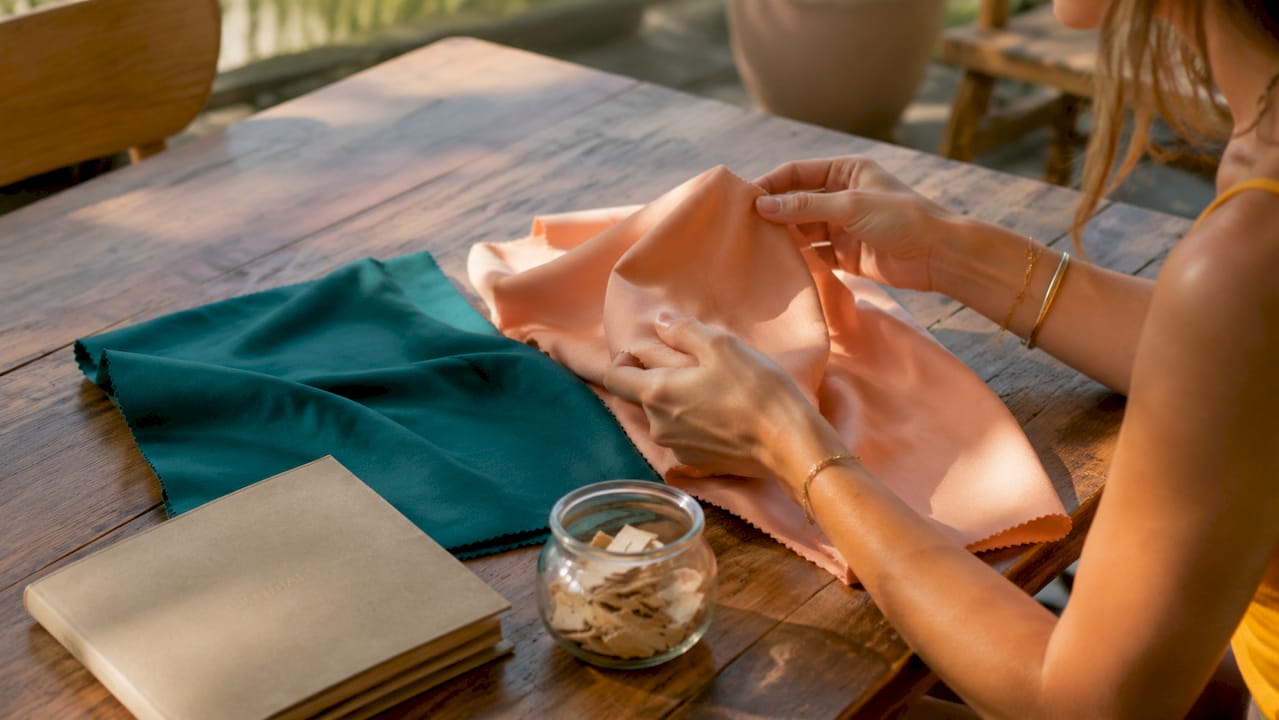
ECONYL® recycled nylon is made from waste such as fishing nets, fabric scraps, and old carpets. The regeneration process breaks these materials down to their base polymer, then rebuilds them into new nylon yarn. The result is a fiber that is durable, chlorine resistant, and supportive, with excellent stretch and recovery. Critically, ECONYL® can be recycled infinitely without losing performance quality. That makes it one of the most circular materials available in fashion today.
REPREVE® recycled polyester is made from plastic bottles. Brands including Finisterre, Batoko, and Speedo use it in their collections. REPREVE® matches or exceeds virgin polyester in moisture management and thermal regulation. For swimwear, that translates to quick-drying fabric that stays comfortable in and out of the water.
Beyond these two leaders, bio-based blends and recycled nylon-spandex combinations are emerging as the next generation of sustainable swimwear materials. They are not yet mainstream, but they signal where the industry is heading.
Pro Tip: Always check for GRS (Global Recycled Standard) or OEKO-TEX certification on any recycled swimwear you buy. GRS and OEKO-TEX labels verify recycled content authenticity and confirm the fabric is free from harmful chemicals, which matters when a garment sits against your skin for hours.
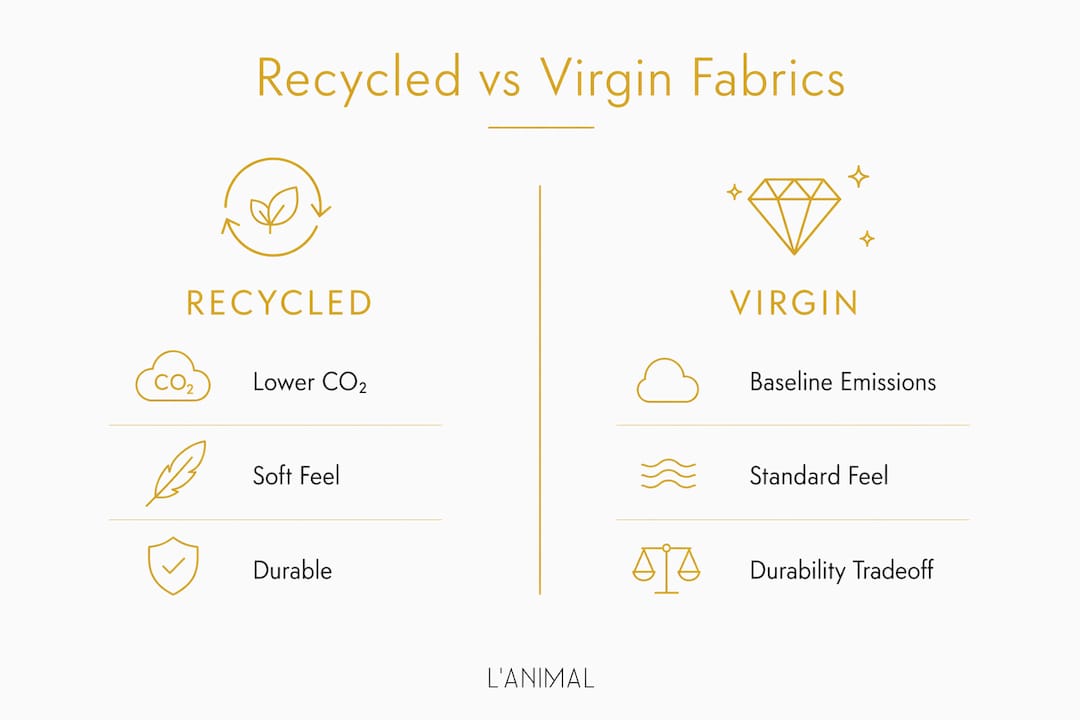
A common misconception is that recycled fabrics sacrifice quality for sustainability. The data says otherwise. Recycled swimwear fabrics are chlorine resistant, UV protective, quick drying, and maintain shape better than many virgin materials. These qualities are not incidental. They are the result of advanced regeneration processes that rebuild fibers at the molecular level.
The environmental gap between recycled and virgin production is substantial. Using recycled polyester cuts CO₂ emissions by up to 79% compared to virgin polyester production. That reduction also comes with less water use, less energy consumption, and less plastic waste entering landfills and oceans.
| Metric | Recycled Fabrics | Virgin Fabrics |
|---|---|---|
| CO₂ emissions | Up to 79% lower | Baseline |
| Chlorine resistance | High | High |
| UV protection | High (UPF 50+ achievable) | High |
| Stretch and recovery | Excellent | Excellent |
| Landfill waste diverted | Yes | No |
| Fossil fuel dependence | Significantly reduced | High |
| Infinite recyclability | Yes (ECONYL®) | No |
The table makes the trade-off clear: performance is comparable across the board, but the environmental profile of recycled fabrics is far superior. The only area where virgin materials historically held an edge was cost, and that gap is closing as production scales up.
One more point worth making: recycled fabrics often feel softer against the skin. OEKO-TEX certified fabrics are confirmed free from harmful substances, which reduces skin irritation for sensitive wearers. That is a practical benefit that shows up every time you wear the suit.
The benefits of recycled swimwear extend beyond environmental metrics. For the person wearing the suit, the experience is directly improved by the material properties of certified recycled fibers.
Here are the key consumer benefits:
Beyond personal comfort, buying recycled swimwear contributes to broader environmental efforts. Recycled swimwear supports circular fashion by reducing landfill waste and creating economic opportunities in communities that collect plastic waste. Brands like The Dive Compass take this further by planting coral for each purchase, directly connecting consumer spending to ocean restoration.
Transforming post-consumer waste into swimwear also addresses marine pollution directly. Discarded fishing nets are one of the most damaging forms of ocean plastic. Pulling them out to make ECONYL® removes active pollution and converts it into a product with a long useful life.
Pro Tip: When verifying sustainability claims, look for the GRS certification number on the product page or tag. A brand that lists its certification number is traceable. One that only uses vague terms like “eco-friendly” without a certification is not.
The shift from fast fashion to considered, sustainable swimwear is accelerating. Several structural changes are driving this, and they go beyond simply swapping virgin fiber for recycled fiber.
The eco-friendly fashion trends shaping 2026 show recycled textiles moving from niche to standard across swimwear retail. Brands that built their identity around recycled materials early are now setting the benchmark others follow.
| Industry Shift | Method | Impact |
|---|---|---|
| Zero-inventory production | Made-to-order manufacturing | Eliminates overproduction waste |
| Certified materials | GRS and OEKO-TEX standards | Verifiable recycled content and safety |
| Digital printing | Replaces dye baths | Reduces water consumption |
| Collaboration collections | Designer and influencer partnerships | Expands recycled fabric reach |
The quality and value case for recycled swimwear is now strong enough that it no longer requires an environmental argument to sell. Performance, durability, and skin safety stand on their own.
Recycled fabrics in swimwear deliver equal or better performance than virgin synthetics while cutting CO₂ emissions by up to 79% and diverting plastic waste from oceans and landfills.
| Point | Details |
|---|---|
| Performance is not compromised | ECONYL® and REPREVE® match virgin fabrics in stretch, chlorine resistance, and UV protection. |
| Environmental impact is measurable | Recycled polyester cuts CO₂ emissions by up to 79% compared to virgin polyester production. |
| Certifications verify claims | GRS and OEKO-TEX labels confirm recycled content and skin-safe, chemical-free materials. |
| Consumer benefits are direct | Recycled swimwear is durable, quick drying, and softer against skin when OEKO-TEX certified. |
| Industry adoption is accelerating | Made-to-order production and certified supply chains are becoming the new standard in sustainable swimwear. |
I have spent years designing swimwear, and the conversation around recycled fabrics has changed completely in the past three years. It used to be a niche talking point. Now it is a baseline expectation from the customers I hear from most.
What I find genuinely interesting is that the performance argument has flipped. Early recycled fabrics had real limitations in stretch recovery and color fastness. ECONYL® and REPREVE® have closed that gap so thoroughly that I now specify recycled materials not just for sustainability reasons, but because they hold up better in saltwater and chlorine than many virgin alternatives I tested years ago.
The part most articles skip is the certification layer. Buying a suit labeled “eco-friendly” without a GRS or OEKO-TEX number is not a sustainable purchase. It is a marketing purchase. I tell every customer to ask for the certification before trusting the claim. That one habit separates informed shoppers from ones who are paying a premium for a label.
My honest view on the future: made-to-order production combined with certified recycled fabrics is the model that makes sense. It removes overproduction from the equation entirely. The sustainability and fit benefits of that approach are real, and I think more designers will move there as consumer expectations continue to rise.
— Lital
Lanimal designs swimwear with both performance and environmental responsibility in mind. The Sportif Bikini Bottom is built from recycled fabric that delivers the chlorine resistance, shape retention, and quick-dry performance this article covers. It is a direct example of what certified recycled materials look like in a finished, fashion-forward piece.

Lanimal’s collections, created by designer Lital Simel-Rhedrick, combine recycled fabric performance with timeless style. The F is for Fendi Bikini Top and its matching bikini bottom extend that commitment across a full coordinated set. Every piece reflects the same standard: quality materials, verified sustainability, and design that does not ask you to choose between looking good and doing right.
ECONYL® is regenerated nylon made entirely from post-consumer waste like fishing nets and carpet scraps. It can be recycled infinitely without losing performance, which standard virgin nylon cannot match.
Yes. Recycled fabrics like ECONYL® and REPREVE® are chlorine resistant, UV protective, and maintain shape through repeated use, matching or exceeding the durability of virgin nylon and polyester.
Look for GRS (Global Recycled Standard) or OEKO-TEX certification on the product page or label. These certifications verify recycled content and confirm the fabric is free from harmful substances.
Recycled polyester production cuts CO₂ emissions by up to 79% compared to virgin polyester. That reduction also comes with lower energy use and less plastic waste entering landfills and oceans.
OEKO-TEX certified recycled fabrics are tested and confirmed free from harmful chemicals. Certified fabrics feel softer and carry a lower risk of skin irritation than uncertified alternatives.


