Free Shipping on US orders over $150
-
Collections
-
Bikini
- One Pieces
- Cover-Ups
- Men's
- Sale
- MODA GLAM x L'ANIMAL
- Nice Breed
-


A pin up star is defined as a model or cultural figure whose glamorous images were mass-produced and widely displayed, shaping American fashion, media, and popular culture since the early 20th century. From Betty Grable’s iconic WWII poster to Bettie Page’s boundary-pushing photography, these figures did far more than pose for pictures. They set the visual language for femininity, allure, and style that still echoes through vintage fashion today. If you are drawn to classic pin up girl art, retro silhouettes, or the bold confidence of mid-century glamour, understanding where it all started makes the aesthetic hit differently.
The most influential pin up stars were not simply models. They were cultural icons who defined mid-century American sexuality, fashion, and taste in ways that outlasted their careers by decades.
Betty Grable is the standard by which all vintage pin up models are measured. She earned $300,000 per year in the late 1940s, making her the highest-paid actress in Hollywood at the time. That figure tells you everything about how central pin up culture was to American commercial life. Her famous swimsuit photo, shot from behind with a glance over the shoulder, became the most reproduced image of World War II. Servicemen pinned it to barracks walls across the Pacific and European theaters.
Bettie Page took the aesthetic in a different direction. Hugh Hefner called her an iconic cultural figure for her singular impact on American fashion and sexuality. Page wore her dark bangs and confident expression like a signature. She worked across glamour, pin up, and fetish photography, and her images never felt exploitative. They felt like she was in on the joke and completely in control.
Other figures deserve recognition too:
“The pin-up model legacy bridges popular culture and fine art, reflecting changing appreciation over decades.” — Twinka Thiebaud’s career is the clearest proof of that shift.
Classic pin up girl art is built on a specific visual formula. Every element, from the hairstyle to the color palette, was chosen to create maximum allure with minimum exposure. The 1950s pin up aesthetic used calculated presentation, like backless dresses and strategically placed props, to imply rather than reveal. That restraint is exactly what gave the style its lasting power.
The core visual elements of authentic retro pin up photography include:
Artist Gil Elvgren codified many of these elements in his painted pin up compositions for Brown and Bigelow. His work set the standard for pose, expression, and wardrobe that photographers and illustrators still reference today. Elvgren’s figures always appeared caught mid-moment, as if the viewer had stumbled upon something private. That sense of accidental discovery was entirely calculated.
Period-accurate styling in hair, makeup, and clothing is what separates authentic pin up art from costume play. Modern creators who skip the details produce images that read as generic retro rather than genuinely vintage.
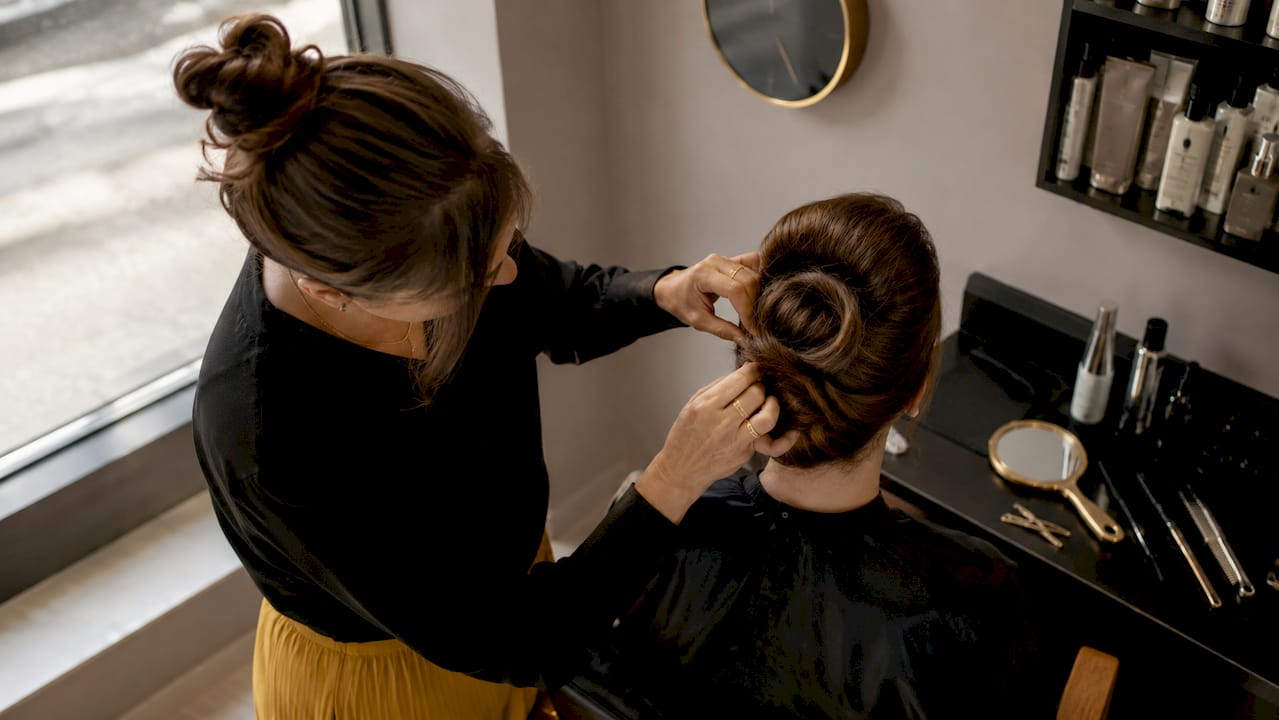
Pro Tip: If you are recreating a classic pin up look, start with the hair. Victory rolls or a structured pin curl set will anchor every other element of the outfit and make the whole look read as intentional rather than assembled.
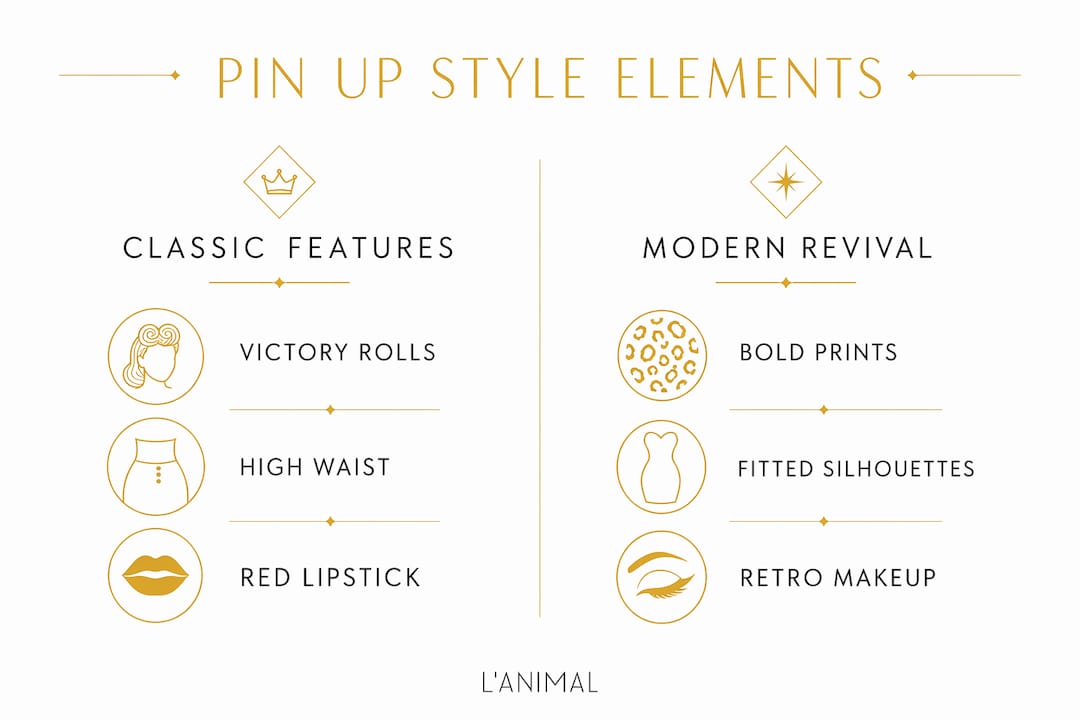
The influence of classic pin up style on modern fashion is direct and measurable. Swimwear brands, lingerie labels, and vintage clothing retailers have built entire product lines around the high-waist silhouette, bold prints, and retro color palettes that defined the original aesthetic. The limited edition swimwear market in particular draws heavily from pin up imagery, treating each piece as a collectible with visual heritage.
In music, artists like Dita Von Teese and Katy Perry have built visual identities directly on pin up references. In film, productions set in the 1940s and 1950s consistently use pin up aesthetics as shorthand for the era. On social media, the hashtag culture around vintage fashion has created a global community of enthusiasts who practice retro pin up photography as both art and self-expression.
Here is a practical breakdown of how the style translates today:
| Element | Vintage original | Modern version |
|---|---|---|
| Swimwear silhouette | High-waist two-piece | High-waist bikini bottoms |
| Hairstyle | Victory rolls, pin curls | Retro blowouts, finger waves |
| Color palette | Red, navy, cream | Same palette, updated fabrics |
| Makeup | Red lip, winged liner | Same, with modern formulas |
| Photography style | Studio posed, soft lighting | Styled shoots, natural light |
Custom pin up portraits have also surged in popularity. Services that adapt your photo into a vintage composition let fans place themselves inside the aesthetic without a full photoshoot. AI tools like VEED’s AI pin up generator can now replicate era-specific styles in hair, makeup, and clothing with high accuracy. That accessibility has introduced the genre to audiences who would never have encountered it through traditional art channels.
Pro Tip: When dressing like a pin up for an event or shoot, build the look from one anchor piece. A high-waist skirt or a polka dot halter top gives you a clear direction. Add the hair and lipstick last, and the whole outfit locks into place.
The beach to bar styling approach works particularly well with pin up inspired swimwear. A retro bikini paired with high-waist shorts and a red lip transitions from poolside to evening without losing the vintage reference.
Custom pin up portraits are one of the most popular ways modern audiences engage with the genre. The process is straightforward but widely misunderstood. You are not booking a photoshoot. You are providing a photo of your face, and a digital artist adapts it into an existing vintage composition, retaining the period styling of the original pose and costume.
Key facts about the custom portrait process:
The most common mistake buyers make is submitting a low-resolution photo. The artist needs clear detail around the eyes, hairline, and jaw to produce a likeness that reads as accurate. A well-lit, front-facing photo taken in natural light gives the best result.
Pin up stars are defined by their cultural impact, not just their images. The most enduring figures combined period-accurate style with a confident presence that translated across art, fashion, and media.
| Point | Details |
|---|---|
| Cultural significance | Pin up stars shaped mid-century American fashion, sexuality, and media beyond modeling. |
| Iconic figures | Betty Grable and Bettie Page set the visual and cultural standard that all others followed. |
| Aesthetic formula | Victory rolls, high-waist silhouettes, red lipstick, and bold prints define authentic pin up style. |
| Modern revival | Custom portraits, AI art tools, and retro swimwear brands keep the aesthetic current and accessible. |
| Custom portrait process | Portraits adapt your face into vintage compositions and typically cost $69 with a 3–5 day turnaround. |
I have worked in fashion long enough to see trends cycle through and disappear. Pin up style does not cycle. It returns, and each time it comes back, it brings something the current moment needs.
What strikes me most about the original pin up stars is the precision of the aesthetic. Nothing was accidental. The backless dress, the glance over the shoulder, the single red lip against a pale complexion. Every choice was made to create a specific effect. That level of intentionality is rare in any era of fashion, and it is exactly why the look photographs so well today.
I also think the body positivity conversation has given pin up culture a second life it deserves. The original images celebrated curves, confidence, and a kind of playful self-possession that felt radical at the time. Modern vintage enthusiasts have reclaimed that energy and made it their own. You see it in the way people style retro swimwear, in the custom portrait trend, and in the communities that gather around vintage fashion online.
My honest view is that you do not need to be a historian to appreciate this aesthetic. You need to understand that every detail carries meaning. When you put on a high-waist silhouette and style your hair in victory rolls, you are referencing a visual language that has been refined over 80 years. That is worth doing with intention.
— Lital

Lanimal carries swimwear that speaks the same visual language as classic pin up style. The F is for Fendi Bikini Top and matching F is for Fendi Bikini Bottom bring bold print, precise cut, and retro confidence into a modern swimwear format. Designer Lital Simel-Rhedrick built Lanimal around the idea that timeless style and quality construction belong together. Each piece is designed to wear like a statement, not just a swimsuit. Browse the full collection at Lanimal to find your retro-inspired look, and check the Lanimal blog for styling guides that help you wear it right.
A pin up star is a model or cultural figure whose glamorous images were mass-produced for wide display, particularly popular in mid-20th century American media and military culture.
Betty Grable is widely considered the defining pin up star of the era. She earned $300,000 per year in the late 1940s and was the most reproduced pin up image of World War II.
Classic pin up style uses specific elements including victory rolls, high-waist silhouettes, red lipstick, and bold prints to create a calculated allure that general vintage fashion does not always include.
Start with a high-waist bottom, a fitted top with a bold print or solid color, and add victory rolls or pin curls with a red lip. Those four elements together read immediately as authentic pin up style.
Custom pin up portraits typically cost around $69 and are delivered digitally within 3–5 business days, with your face adapted into a vintage composition by a digital artist.


