Free Shipping on US orders over $150
-
Collections
-
Bikini
- One Pieces
- Cover-Ups
- Men's
- Sale
- MODA GLAM x L'ANIMAL
- Nice Breed
-


Denim Los Angeles is the recognized shorthand for a city-wide fashion ecosystem where artisanal manufacturing, fabric innovation, and street-level style converge. The L.A. Fashion District houses brands like ICON DENIM, SLVRLAKE, and EB Denim alongside a network of cut-and-sew factories and wash houses that produce some of the most sought-after jeans in the country. What separates L.A. denim from every other American market is the combination of vintage-inspired silhouettes, modern materials like 4-way stretch and organic cotton blends, and a manufacturing infrastructure that lets emerging designers move fast without sacrificing quality.
Los Angeles denim brands cover a wide price range and aesthetic spectrum, but the best share one trait: a commitment to local production and material quality.
The full-package manufacturing model is common among successful L.A. brands. It means a brand outsources pattern making, cutting, washing, and finishing to specialized local houses rather than managing every step in-house. This reduces technical risk and lets designers focus on creative decisions.
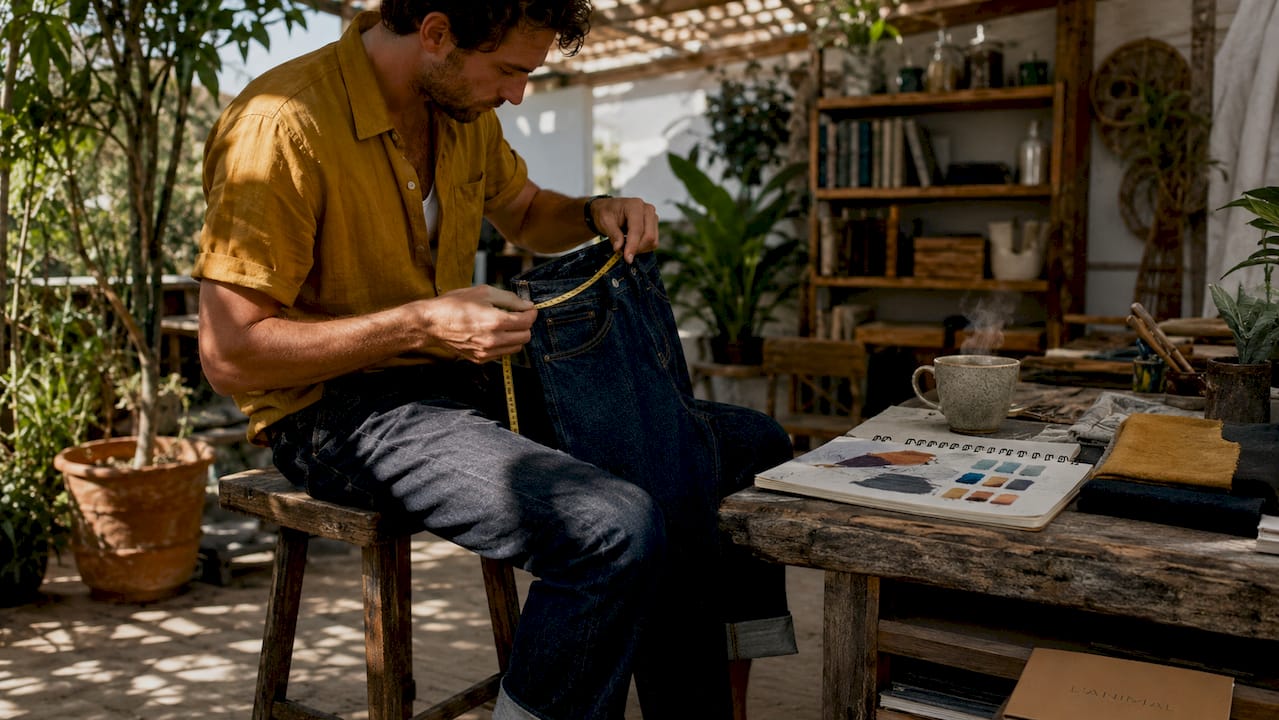
Los Angeles hosts between 40 and 80 active denim facilities, including cut-and-sew factories and wash houses concentrated in the L.A. Fashion District. That density is rare in American manufacturing and gives L.A. brands a structural advantage.
Cut-and-sew factories and wash houses serve distinct roles. Cut-and-sew handles pattern cutting, stitching, and assembly. Wash houses apply finishing treatments like stone washing, enzyme washing, laser whiskering, and ozone processing. Brands coordinate these phases separately for quality control, which means a single pair of jeans may pass through two or three specialized facilities before it ships.
Pro Tip: If you are launching a denim line, look for L.A. manufacturers that offer both cut-and-sew and wash services under one roof or through a coordinated referral network. It cuts your production timeline significantly.
Small-batch production is another defining feature. Order minimums as low as 50–500 units make L.A. factories accessible to emerging designers who cannot commit to the thousands-of-units minimums required by overseas factories. That low barrier explains why so many independent denim labels launch in L.A. rather than New York or overseas.
L.A. denim trends in 2026 combine vintage aesthetics with modern fabric technology. The result is jeans that look like they came from a 1970s thrift store but feel like athletic wear.
The dominant fits right now are wide leg, high rise, slim tailored, and baggy shorts. Wide leg jeans in particular have moved from trend to staple, showing up across every price point from fast fashion to $400 designer cuts. Lanimal’s wide leg pant reflects how this silhouette has crossed from denim into other fabrications, which shows how broadly the shape has landed.
On the fabric side, 4-way stretch and knit-denim blends are the most talked-about innovations. Knit-denim, sometimes called Denit, delivers the visual texture of traditional woven denim with the stretch and recovery of a knit fabric. Sustainability is also shaping material choices, with organic cotton, Tencel blends, and recycled fiber options appearing across mid-range and premium brands.
| Style | Key Feature | Price Range |
|---|---|---|
| High-rise straight | Classic silhouette, structured fit | $130–$280 |
| Wide leg | Relaxed, vintage-inspired | $150–$350 |
| Slim tailored | Modern, clean lines | $180–$400 |
| Baggy shorts | Casual, streetwear-driven | $90–$180 |
| Selvedge straight | Raw denim, workwear heritage | $200–$400 |
Price correlates directly with fabric composition. A pair made from Japanese selvedge or organic cotton with elastane costs more than a standard cotton-poly blend. The difference shows up in how the fabric ages and holds its shape over time.
The best places to buy jeans in Los Angeles range from high-end boutiques to vintage markets, each offering a different shopping experience and price point.
| Retailer | Price Range | Specialty |
|---|---|---|
| American Rag Cie | $100–$400 | Multi-brand, vintage mix |
| Self Edge | $200–$500 | Raw selvedge, Japanese and American |
| Railcar Fine Goods | $200–$350 | Made-to-measure selvedge |
| L.A. Fashion District boutiques | $80–$300 | Small-batch, emerging designers |
| Brand websites (EB Denim, Ariko) | $130–$400 | Direct, transparent sourcing |
The Denim Institute & Museum, opening in 2027 at 910 S. Los Angeles St in Downtown L.A., will add an educational layer to the city’s denim culture. It will offer immersive short courses on denim history and production for designers and enthusiasts alike. If you care about understanding what you wear, that is worth watching.
Choosing the right pair of L.A. jeans comes down to four factors: fit, fabric, production origin, and budget.
Fit is the starting point. High-rise cuts suit most body types and are the dominant silhouette in L.A. right now. Wide leg adds volume and works well with fitted tops. Slim tailored cuts read as more polished and translate from day to evening without much effort.
Fabric determines how the jeans feel and how long they last. Look for these specifics:
Production origin matters more than the label suggests. “Made in Los Angeles” signals community investment and material transparency, but the hybrid model is common. Many brands use imported raw materials like Japanese selvedge finished locally. That is not a negative. It means you get premium raw material quality plus local craftsmanship in the finishing stages. Ask the brand directly where each step happens.
Budget shapes your options clearly. Under $150 gets you solid basics from smaller L.A. labels. The $150–$280 range covers most mid-tier brands with good fabric quality. Above $280, you are paying for premium selvedge, designer fit engineering, or limited-run production.
Pro Tip: Try a small-batch L.A. maker before committing to a larger brand. Minimum orders are low, quality is high, and you often get a fit that mass-market brands cannot match.
Care is simple but important. Turn jeans inside out before washing, use cold water, and air dry. Raw selvedge denim should be washed as infrequently as possible to preserve the fabric’s character.
Los Angeles denim is defined by a specialized local manufacturing ecosystem, fabric innovation, and a price range of $130–$400 that reflects genuine material and production quality.
| Point | Details |
|---|---|
| Manufacturing density | L.A. hosts 40–80 active denim facilities, giving brands rare local production access. |
| Small-batch advantage | Order minimums as low as 50 units make L.A. factories accessible to emerging designers. |
| Fabric innovation | 4-way stretch and knit-denim blends define the current trend toward comfort with vintage style. |
| Hybrid origin model | Many “Made in L.A.” jeans use imported raw denim finished locally. Ask brands for full transparency. |
| Price and quality | Expect $130–$400 for locally made denim; price tracks fabric composition and production detail. |
I have spent years working with fashion brands across multiple cities, and the L.A. denim scene is the one that consistently surprises me. Not because of hype. Because of specificity.
The factories here do not try to do everything. A cut-and-sew house focuses on cut-and-sew. A wash house focuses on finishing. That specialization produces a level of craft that generalist overseas factories rarely match. When I see a pair of jeans finished with laser whiskering or ozone processing from an L.A. facility, I can see the difference in the fabric’s surface texture and color depth.
What I find most encouraging in 2026 is the transparency shift. Brands like Ariko Denim are publishing fabric weights and origin details that most companies hide. That is not marketing. That is a structural change in how this industry communicates with buyers. The upcoming Denim Institute & Museum at 910 S. Los Angeles St will push that education further, and I think it will raise the baseline knowledge of every consumer who walks through the door.
My honest recommendation: stop buying based on brand recognition alone. Visit a small-batch L.A. maker, ask where the fabric comes from, and feel the difference in your hands. The price is often the same as a mid-tier department store brand, and the quality is not close.
— Lital
Lanimal was built on the same principle that drives the best L.A. denim brands: quality materials, considered design, and no filler. If you are putting together a summer look that starts with great jeans, the pieces you pair them with matter just as much. The F is for Fendi Bikini Top and the Sportif Bikini Bottom are designed for exactly the kind of beach-to-bar dressing that L.A. style demands. Check the beach-to-bar guide for styling ideas that work with your denim wardrobe. Free shipping on all U.S. orders over $150.
Los Angeles hosts 40–80 specialized denim facilities in the Fashion District, enabling small-batch production, advanced finishing techniques, and local oversight that most other American cities cannot match.
Locally made denim in Los Angeles ranges from about $130 for standard cuts to over $400 for premium high-rise or selvedge styles, with price driven by fabric composition and production detail.
Not always. Many L.A. brands use a hybrid model, importing premium raw materials like Japanese selvedge and completing cutting, sewing, and finishing locally. Ask the brand for a full production breakdown.
Self Edge on Fairfax, American Rag Cie on La Brea, and Railcar Fine Goods in the San Fernando Valley are the top physical destinations. Brands like EB Denim and Ariko Denim also sell direct online with detailed sourcing information.
High-rise straight, wide leg, and slim tailored cuts dominate the 2026 L.A. market, with knit-denim blends and organic cotton fabrics driving the fabric innovation side of current trends.


