Free Shipping on US orders over $150
-
Collections
-
Bikini
- One Pieces
- Cover-Ups
- Men's
- Sale
- MODA GLAM x L'ANIMAL
- Nice Breed
-


If you want secure coverage plus real sun protection, pick a long-sleeve surf suit. Go technical and UPF-rated for active days in the water, or lined and sculpting for resort lounging. Check two labels before anything else: UPF and four-way stretch. Skip either and you’re just wearing a cute top with no guarantee it does the job.
TL;DR:
- A verified UPF rating of 50+ is essential for sun protection, as many suits with no rating or untested fabrics do not offer reliable UV blocking.
- Four-way stretch, flatlock seams, quick-dry finishes, and resistant fabrics are key construction features that improve performance and durability of a surf suit.
- Proper fit depends on sizing for movement, with sizing up recommended for active wear or if in between sizes, and trying on with intended bottoms is advised.
- Purchasing during early collection launches or end-of-season sales can provide better selection and discounts, especially for technical and UPF-rated styles.
- Compared to other swimwear, long-sleeve suits offer comprehensive coverage and athletic fit, making them ideal for prolonged sun exposure, but lower-body protection must be supplemented with sunscreen.
The industry term for what you’re shopping for is a surf suit, a hybrid between a traditional swimsuit and a rash guard. Some brands call the exact same garment a “long sleeve swimsuit” for search purposes, but surf suit is what you’ll hear in gear reviews and technical fabric guides, so both terms are worth knowing.
The number that matters most on the label is UPF, or Ultraviolet Protection Factor. UPF 50+ blocks a very high percentage of UV radiation, compared to a standard cotton tee, which offers closer to UPF 5. Here’s the catch: not every long-sleeve swimsuit on the market has actually been tested for a UPF rating. Plenty of fashion-forward pieces look protective but were never independently rated, so a dark, tightly woven fabric might feel safe without carrying any verified number. Always look for the specific UPF figure printed on the tag, not just marketing language like “sun protective.”
Beyond UPF, a handful of construction details separate a suit that performs from one that just looks the part:
Reality check: most long-sleeve suits still leave your lower body exposed, whether that’s a cheeky cut, a high-leg bottom, or bare thighs below a one-piece. The sleeves and torso are covered, but your legs and feet still need sunscreen. A long-sleeve top is not a substitute for a full sun-safety routine.
Shopping by activity first saves you from buying a beautiful suit that fights you every time you swim. Work through these four steps in order.
Pro Tip: Try the top on with the actual bottoms you plan to wear it with before you commit. A long-sleeve top that looks flawless on its own can pull strangely or expose more than expected once it’s paired with a specific cut of bottom, especially cheeky or high-leg styles.
Long-sleeve swimwear stopped being purely technical gear years ago. It’s now treated as a legitimate fashion category, which means you can dress one suit three completely different ways depending on where the day takes you.
Necklines change the whole read of the suit. A scoop neck softens broader shoulders and elongates the neckline, while a crew neck reads more athletic and structured. A subtle V-neck alternative splits the difference, offering a little more visual length through the torso without dipping low enough to lose sun coverage. For more outfit direction, our beach outfit guide and chic vacation looks breakdown both build on these pairings in more detail. If layering is your thing, this beach town outfit guide has solid ideas for taking a swim look into evening.
Getting the fit right starts with three measurements: bust (fullest point), torso length (shoulder to where the suit ends at the hip), and hip circumference. If you’re between sizes and plan to swim actively, size up. A slightly looser fit through the shoulders gives you the range of motion a snug one won’t.
Quality fabrics, including the Italian four-way stretch blends L’ANIMAL uses, hold their shape and color far longer than a basic polyester blend, but even the best suit eventually loses elasticity with heavy seasonal use. If it starts sagging at the seat or gaping at the sleeves after a season or two of regular wear, that’s your sign to replace it. Our guide on drying swimsuits walks through the process in more depth, and if fit across the hip and thigh is your main concern, our sizing guide for curvy bodies is worth a look before you buy.
Price tracks fairly closely with what’s actually inside the fabric, not just the brand name on the tag. Budget suits in the $30 to $50 range are usually made from basic polyester blends with minimal stretch and no verified UPF testing. They’ll survive a beach vacation or two, but the fabric tends to thin out and lose stretch quickly with regular chlorine exposure.
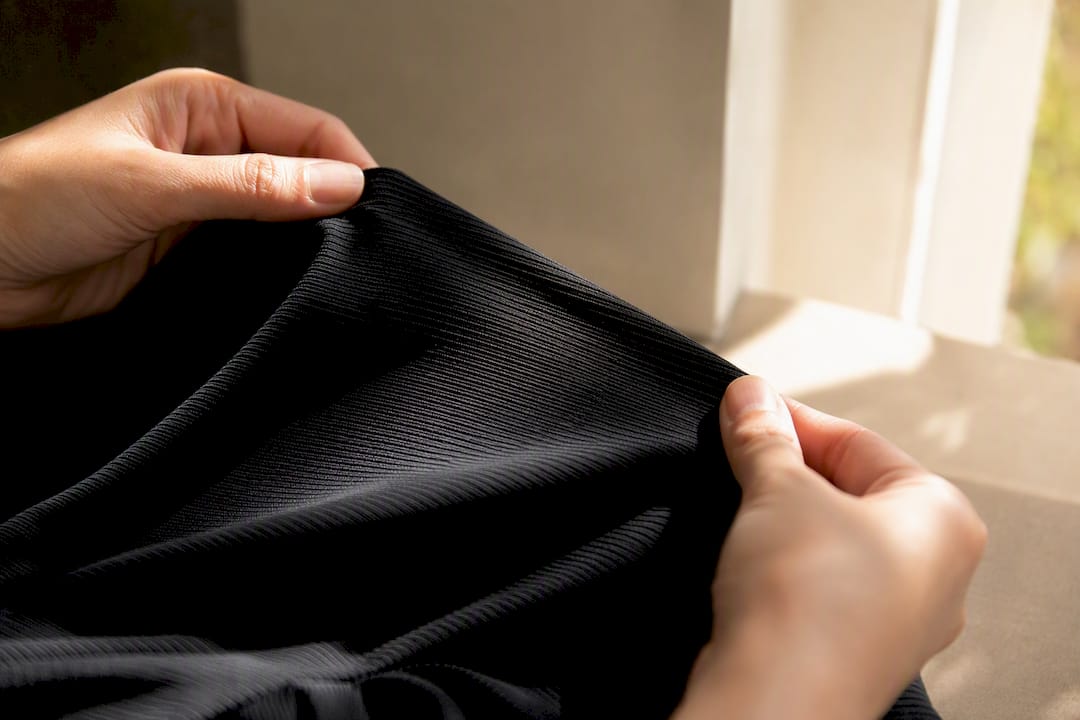
Mid-range suits, roughly $70 to $120, are where UPF 50+ testing, four-way stretch, and flatlock seams start showing up consistently. This is the sweet spot for anyone who swims or surfs more than a handful of times a year. Designer and technical surf-suit pieces climb past $120, often into the $150 to $250 range, and that price usually buys sculpting linings, premium stretch fabrics, and more considered construction, like reinforced seams at stress points and closures that hold up under repeated use.
The real value question isn’t just the sticker price. A $40 suit that loses its shape after five wears costs more per wear than a $150 suit that holds up for three seasons. If you swim or surf regularly, the higher upfront cost on a technical, well-constructed suit almost always pays for itself in longevity alone.
Buying online gives you access to the widest range of cuts, fabrics, and UPF-rated technical styles, along with detailed sizing charts and fabric breakdowns you can actually read before committing. Most designer and specialty swimwear brands, including surf-specific labels, sell primarily through their own sites rather than big-box retailers, so shopping direct is often the only way to get the exact construction details, like fabric weight and seam type, that matter for performance.

Physical stores still have a place, particularly for trying on fit before a big trip or for a same-day need. Department stores and specialty swim shops carry a narrower selection of long-sleeve styles than you’ll find online, and staff there can’t always tell you whether a suit is genuinely UPF-tested versus just marketed as “sun protective.”
Reputable brands are worth identifying by what they disclose, not just how they look in photos. Look for retailers who list the actual UPF number, name the fabric composition (spandex-nylon blends, recycled ECONYL, or similar), and describe construction details like seam type and closure. A brand that’s vague about all three is usually selling you a look rather than a technical garment. Reading return policies before buying is smart, too, since fit on a long-sleeve suit can vary more than a standard bikini depending on shoulder and torso length.
New swimwear collections typically drop in two waves: a spring release around February through April ahead of peak swim season, and a smaller resort or holiday collection in November and December aimed at warm-weather winter getaways. Buying during these launch windows gets you first pick of sizes and colorways before popular styles sell out.
End-of-season sales, usually running August through October, are the best window for discounts on technical surf suits and UPF-rated styles, since retailers are clearing inventory before switching over to the next year’s line. The tradeoff is a narrower size range, since the most popular sizes tend to sell through first.
If you’re shopping for a specific trip, buy at least two to three weeks ahead rather than the week before. That gives you time to test the fit, confirm the UPF label matches what was advertised, and exchange for a different size if needed, without the pressure of a departure date bearing down on you.
A traditional bikini or one-piece with no sleeves offers the most mobility and the least coverage, leaving shoulders, arms, and chest fully exposed to UV rays unless you’re layering on sunscreen constantly throughout the day. A rash guard paired with separate swim bottoms gives you similar torso and arm coverage to a surf suit, but as two pieces instead of one, which some people prefer for mixing and matching and others find fussier to coordinate.
A long-sleeve swimsuit sits in the middle: full torso and arm coverage in a single garment, with the sun protection benefits of a rash guard built into a more considered, one-piece silhouette. Compared to a swim dress or skirted suit, a long-sleeve style protects more skin overall but trades some of that loose, breezy movement for a closer, more athletic fit.
None of these categories is universally “better.” A bikini wins for tanning and minimal tan lines. A rash guard and bottoms combo wins for modular styling. A long-sleeve swimsuit wins when your priority is maximum coverage without sacrificing a clean, one-piece silhouette, which is exactly why it’s become a go-to for anyone spending real time in the sun rather than just posing at the water’s edge. Pairing any of these with a dedicated sun protection routine for time in the water closes the gap that fabric alone can’t cover.
Every long-sleeve piece we design starts with the fit problem first, not the print. Lital Simel-Rhedrick, the designer and stylist behind L’ANIMAL, builds each cut around sculpting seam placement and Italian stretch fabrics, because a long sleeve that binds at the shoulder or gapes at the underarm undermines everything else about the suit.
The fabric choice isn’t arbitrary. Italian four-way stretch blends hold shape through repeated wet and dry cycles far better than standard polyester, which is part of why they show up across the collection instead of just in select pieces… That fit-first approach, paired with construction details built to last a season of real wear, is the same standard we hold every piece to.
— Lital
L’ANIMAL builds long-sleeve pieces around fit first, using Italian four-way stretch fabrics and sculpting seam placement instead of a one-size print slapped onto a basic pattern. That design-led approach is the real difference between a suit that photographs well and one that actually performs through a season of swimming, surfing, or sun.
If you’re building out a full look, the Sportif Bikini Bottom pairs naturally with a long-sleeve top for anyone who wants to mix technical coverage on top with a more athletic cut below, giving you the flexibility to match sun protection needs with the exact silhouette you want on any given day. Browse the current collection and find your fit at Lanimal, and start with the Sportif Bikini Bottom if you’re ready to build your next swim look today.


