Free Shipping on US orders over $150
-
Collections
-
Bikini
- One Pieces
- Cover-Ups
- Men's
- Sale
- MODA GLAM x L'ANIMAL
- Nice Breed
-


Measure your bust, waist, and hips before you shop, then buy only from sellers with clear return windows and full-body photos on multiple models. Read fabric content and construction details before checking size. Lital Simel-Rhedrick, a designer and stylist, builds her collections around exactly this discipline, and it’s what separates a suit you’ll wear all summer from one that ends up in a return box.
TL;DR:
- Prioritize brands with clear return policies, multiple model photos, and detailed fabric and construction information to reduce the risk of ill-fitting suits.
- Measure your bust, waist, hips, and torso accurately using a soft tape, and compare these measurements directly with brand-specific size charts rather than relying on clothing size.
- Choose swimwear styles and features based on your body shape and activity, focusing on support, adjustability, and coverage for better comfort and fit.
- Look for suits with full lining, reinforced seams, and fabrics with recycled fibers or higher weight for longer durability and better shape retention.
- Use filters and detailed reviews to narrow options and consult directly with brands or designers for personalized fit advice before purchasing.
Shopping for a swimsuit without a fitting room comes down to reading a product page the way a tailor would. You’re not just picking a color or a cut, you’re evaluating a listing for the clues that predict fit before the box ever arrives.
Start with the policy fine print. Confirm the return or exchange window, whether the suit needs tags attached, and whether you pay for return shipping or the retailer covers it. Some sites charge a restocking fee on swimwear specifically, since suits touch skin and can’t always go back into general inventory. Retailers with clear, customer-friendly return terms consistently reduce the risk of a bad fit turning into a bad experience, so this single check is worth doing before you fall in love with a print.
Next, scan the photography. A listing with one photo on one body type tells you almost nothing. Look for multiple models in different sizes, a back view, and ideally a seated or movement shot that shows how the fabric behaves off the mannequin.
Then check the details that actually determine comfort:
Price is a rough proxy for quality, but not a reliable one on its own. A $38 suit with full lining and reinforced seams can outlast a $95 suit with a thin single layer and glued elastic. Read the construction details, not just the price tag, before you decide where a suit lands on the value scale.
Every brand’s small is not the same small, and that’s the single biggest reason online swimwear returns happen. The fix is a five-minute measuring session before opening a single product page.
Write these five numbers down before you shop, then hold them against the brand’s own size chart rather than guessing from your usual clothing size. Every brand cuts differently, and a chart built around actual body measurements will always beat a generic small-medium-large guess.
Use a soft tape measure that lies flat against your skin, and resist the urge to pull it tight. Chatelaine’s fit guidance points out that an overly snug tape gives you a false, smaller number that leads directly to a suit that pinches. If your measurements fall between two sizes, size up on structured or lined suits and size down on suits described as highly stretchy. When in doubt, message the brand directly. Many designers will walk you through sizing if you share your measurements.
Pro Tip: Take your measurements in the same bra or bralette you plan to wear under (or instead of) your suit. A half inch of difference in bust measurement can shift you a full cup size on a structured top.
The right swimsuit style depends less on trends and more on two questions: what shape are you dressing, and what are you actually going to do in it. A suit built for lounging poolside works very differently from one built for laps.
One-pieces with a defined waist seam create curve where you want it and smooth everything else, which makes them a strong pick if you’re not fond of a bare midriff. High-waisted bottoms sit above the navel and flatter almost every body type by lengthening the leg line visually. Tankinis split the difference between a one-piece and a bikini, giving you more torso coverage while keeping the two-piece ease of separates you can mix by size.
Bust support deserves its own attention:
If your vacation includes both a resort pool day and an actual swim, prioritize suits with functional adjustability. A drawstring waist, adjustable straps, or a reversible print effectively gives you two suits in one, and reversible pieces stretch a small suitcase further. Separates matter here too. Buying a top and bottom in different sizes, rather than a fixed one-piece, solves the classic problem of a hip and bust ratio that doesn’t match any single size chart.
For mixing and matching beyond the suit itself, a cover-up or resortwear piece extends the outfit from pool to lunch without a wardrobe change. This is where investing in a few well-made pieces pays off over buying five fast-fashion suits a season. A curated fit guide for curvy bodies breaks down which silhouettes work with specific proportions in more depth than a size chart ever will.
Fabric composition is printed on nearly every product page, and it’s the fastest way to judge whether a suit will survive a season of actual pool and ocean use.
Polyester and recycled polyester blends generally resist chlorine breakdown and UV fading better than nylon, which stays a favorite for its stretch but tends to degrade faster in heavily chlorinated pools. Nylon-elastane blends feel silkier and move more, but if you’re swimming laps three times a week, that softness comes at the cost of shape retention over time.
Suits described with full lining and reinforced seams show up consistently in product descriptions that correlate with longer-lasting wear, while listings that skip these details often skip the construction too.
Watch for these quality signals in any listing:
Low-quality shortcuts tend to hide in vague language. If a listing says “stretchy fabric” with no percentage or blend named, or shows only a flat product photo with no on-body shot, that’s often a suit cut from whatever fabric was cheapest that season. Full lining and reinforced construction aren’t luxury add-ons. They’re the baseline for a suit that won’t go sheer after ten swims. A closer look at what quality detailing actually involves can help you spot the difference between a well-finished seam and a corner cut to save a few dollars in production.
A suit arriving is only half the transaction. What happens if it doesn’t fit is where a lot of shoppers get burned, usually because they never read the return policy closely enough.
Once the right suit is yours, care determines how long it stays that way. Rinse in cool water immediately after chlorine or salt exposure, hand wash with a gentle detergent, and skip the dryer entirely. Heat is the fastest way to break down elastane fibers, and a suit that’s air-dried flat will outlast one tossed in with a beach towel load every time.
The fastest way to shrink a huge catalog down to suits that will actually fit is to use the site’s own tools the way a stylist would, instead of scrolling by eye.
Start with filters. Search by coverage level, cup size support, or fabric type if the site offers it, rather than browsing by color or print alone. Terms like “underwire,” “high-waisted,” or “long torso” narrow results fast and cut out the guesswork of judging fit from a photo.
Reviews are your fitting room substitute, but only if you read them the right way:
If a brand shows the same suit on models of different sizes, use that to estimate your own fit rather than relying only on the size chart. And if you’re still unsure, reach out directly. Smaller and designer labels in particular often reply with real sizing input.
Pro Tip: When you message a designer for fit help, include your height, bra size, and how you plan to wear the suit (lounging, swimming, or both). That context lets them recommend a specific cut instead of just pointing you back to the chart.
Lital Simel-Rhedrick designs collections with the online buyer in mind, which means fit details get written into the product page, not left for guesswork. When you’re evaluating any designer listing, check for named fabric blends, torso loop measurements on one-pieces, and photos on more than one body type. Those three details tell you more about real-world fit than a marketing description ever will.
Direct communication with a designer or brand fills the gap a size chart can’t. Personalized sizing input from the brand itself often catches fit issues a standard chart misses entirely, especially for long-torso or fuller-bust builds. A well-made suit should also hold its shape after repeated wear, a point covered in more depth in Lanimal’s own breakdown of swimwear value.
Most swimwear advice treats fit as a sizing problem alone, chart against measurement, done. That misses the real variable: construction quality changes how forgiving a size actually is. A suit with generous stretch and full lining absorbs a slightly imperfect measurement far better than a rigid, unlined cut at the same listed size.
The other blind spot is treating designer and sustainable options as a splurge rather than a risk-reduction strategy. A suit built with reinforced seams and recycled fiber content isn’t just a values choice, it’s the one least likely to need a return in the first place, because it was made to hold its shape past the first swim.
If you take one thing from this guide, prioritize the torso loop measurement and the fabric composition line before you ever compare prices across tabs. Everything else, color, print, brand name, is negotiable. Those two details aren’t.
— Lital
This brand is built for the shopper this guide describes: someone who wants a suit that fits right the first time, holds up past one season, and doesn’t force a choice between style and construction quality. The collection runs from bikinis and one-pieces to men’s swim shorts, cover-ups, and resortwear, plus limited collaboration collections with fashion influencers.
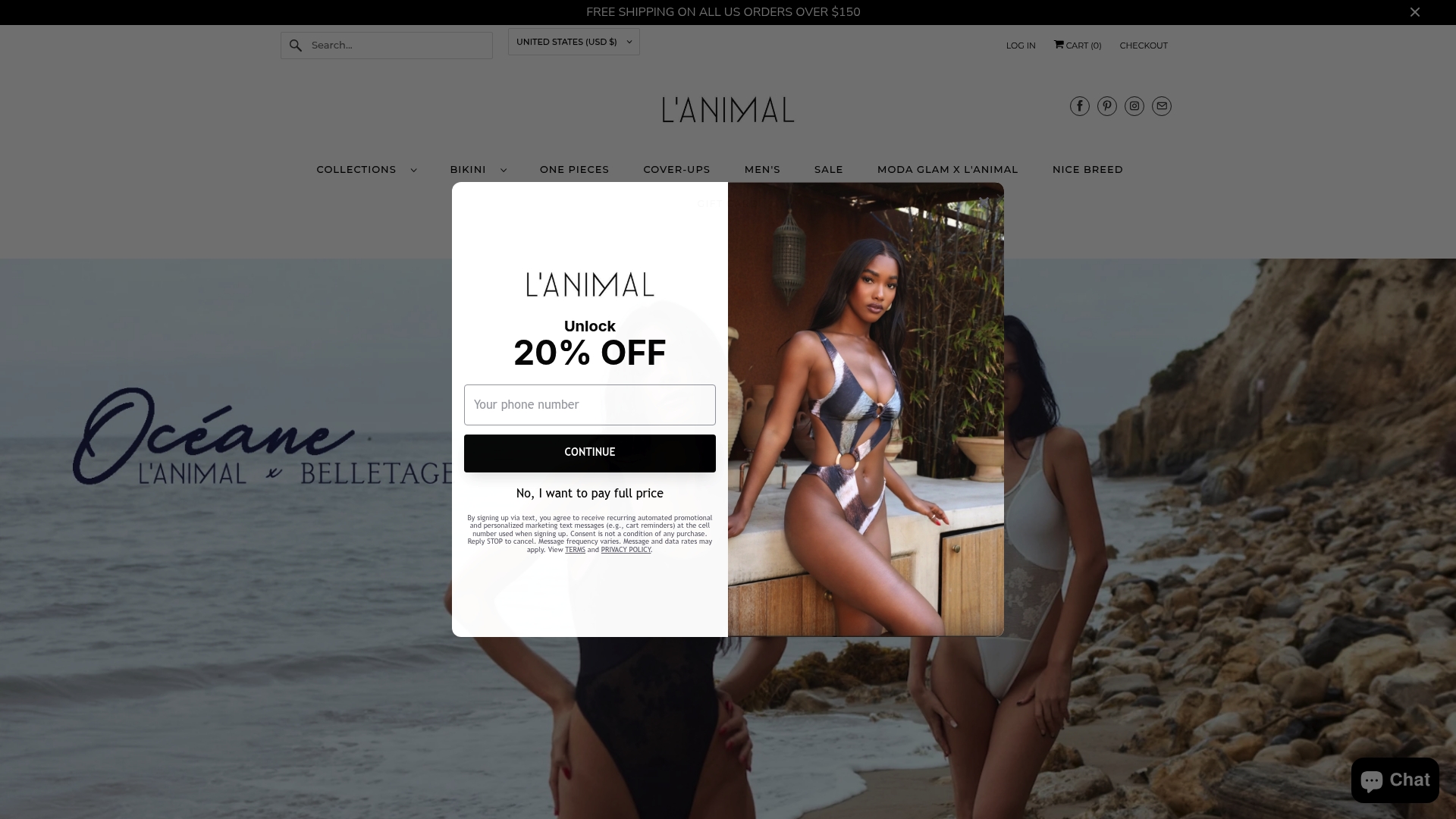
Every product page carries details this guide asks you to check: fabric composition, lining, and sizing notes provided by the brand. If a chart still leaves you unsure, reaching out directly can get you real guidance instead of a generic reply. For a closer look at construction choices that hold up over time, the seamless swimwear breakdown is worth a read before you buy. Start browsing the current designer swimwear collection and check sizing notes on any piece before it goes in your cart.
For return policy comparisons and review strategy, see The 24 Best Places to Buy Swimsuits and Chatelaine’s swimsuit buying FAQ. For fabric and construction guidance, see Swim2000’s swimwear buying guide. For fit and detailing on Lanimal’s own site, read Upscale Swimwear: Designer Styles Worth Buying Now.


