Free Shipping on US orders over $150
-
Collections
-
Bikini
- One Pieces
- Cover-Ups
- Men's
- Sale
- MODA GLAM x L'ANIMAL
- Nice Breed
-


A bandless bikini bottom is swimwear designed without an elastic waistband, creating a smooth, uninterrupted fit that minimizes tan lines and eliminates the pinching or digging that traditional bands cause. The style goes by several names in the industry, including seamless bikini bottom and bandless swimwear, but the defining feature is always the same: no visible elastic band at the waist or leg openings. Lanimal carries this design in styles built for both comfort and modern aesthetics. If you have ever pulled a bikini bottom off at the end of the day and found red marks pressed into your skin, this style was made for you.
A bandless bikini bottom eliminates the traditional elastic waistband entirely, relying instead on fabric construction and specialized edge treatments to hold the garment in place. Industry standards favor high-stretch nylon blends and textured fabrics like jacquard or smocking to provide the tension that an elastic band would normally supply. That tension keeps the bottom secure without creating pressure points on the skin.
The most critical construction detail is the edge treatment. Grippy elastic or silicone lining at the waist and leg openings creates friction against the skin, preventing the garment from sliding during movement or when wet. Without this feature, a bottom labeled “bandless” will shift and slip constantly. Always check the product description for silicone lining or friction-enhancing edges before buying.
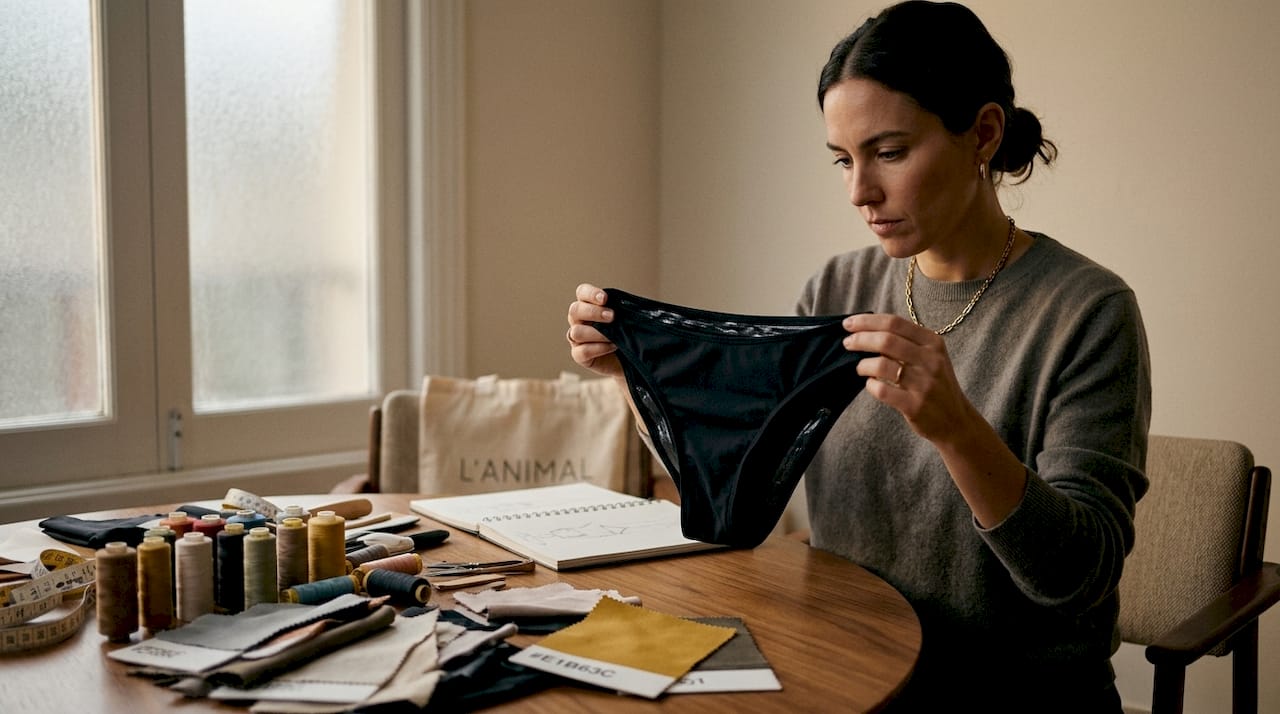
Texture plays a structural role too. Ruching and smocking are not just decorative details. Fashion stylists confirm these techniques create surface tension and compression that hold the fabric against the body, providing shape and support without any band. Ruching gathers the fabric into small folds, which grip the skin lightly and prevent the bottom from riding up or shifting. You can read more about how ruching works in swimwear design if you want a deeper look at this technique.
Key construction features to look for:
Pro Tip: When shopping online, zoom into product photos and read the full fabric description. If the listing does not mention silicone lining or grippy edges, the bottom may not stay in place during active swimming.
The primary benefit of a bandless bikini bottom is comfort. Consumer feedback consistently highlights reduced pressure points and less skin irritation compared to traditional elastic waistband styles. Elastic bands dig into the skin during extended wear, especially when sitting or bending. A bandless design removes that source of discomfort entirely.
The tan line advantage is real and significant. Without bands, skin is exposed more evenly, which means the sharp, defined tan marks that traditional bikini bottoms leave behind simply do not form. This matters most for women who wear swimwear regularly and want a clean, natural look when they are not at the pool or beach.
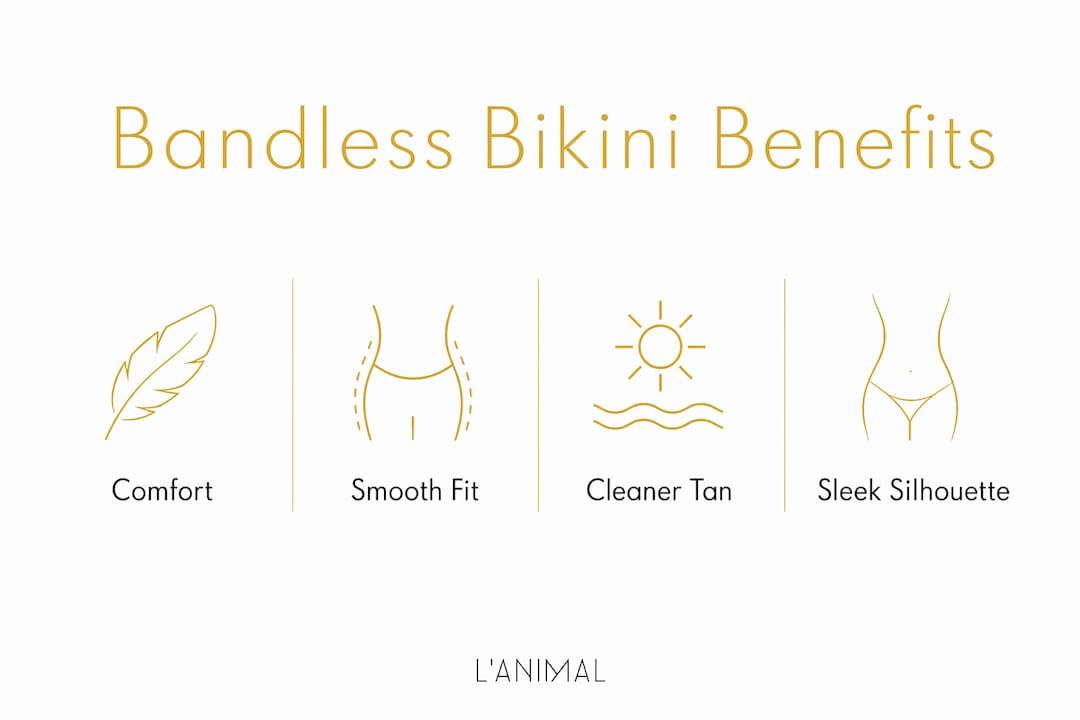
Aesthetically, bandless styles read as cleaner and more modern. The absence of a visible waistband creates a sleeker silhouette, which pairs well with a wide range of tops and coverups. Current 2026 swimwear trends favor minimalist, clean-line looks, and bandless bottoms fit directly into that direction. The style also transitions easily from poolside to casual wear without looking overtly sporty or beachy.
Core benefits at a glance:
Traditional bikini bottoms use an elastic waistband and leg bands to hold the garment in place. That structure provides reliable security during active swimming but creates pressure points and visible tan lines. Bandless styles trade the elastic structure for fabric tension, silicone lining, and textured construction. The tradeoff is worth understanding before you buy.
Fit security is the most common concern women raise about bandless styles. True bandless swimwear with silicone or grippy lining holds well during light to moderate activity. For high-intensity water sports or heavy surf, a traditional elastic waistband provides more mechanical security. For lounging, casual swimming, and poolside wear, a well-constructed bandless bottom performs equally well.
Pro Tip: If you are trying bandless swimwear for the first time, start with a style that includes both silicone lining and ruching. That combination gives you the most security while you get used to the fit.
| Feature | Bandless bikini bottom | Traditional bikini bottom |
|---|---|---|
| Waistband | None; silicone or grippy lining | Elastic band at waist |
| Tan lines | Minimal, even coverage | Defined band marks |
| Comfort for all-day wear | High; no pressure points | Moderate; elastic can dig in |
| Security during active swimming | Good with silicone lining | Very high |
| Silhouette | Sleek, seamless | Structured, defined |
| Best use case | Lounging, casual swimming, beach days | Active swimming, water sports |
The silhouette difference is visible in photos and in person. A bandless bottom creates an unbroken line from the torso to the leg, which reads as longer and leaner. Traditional styles create a visual break at the waist, which can shorten the appearance of the torso. This is one reason bandless styles have grown in popularity alongside minimalist swimwear trends across the fashion industry.
Coverage level is the first decision to make when choosing a bandless style. The four main options are cheeky, full coverage, high-waisted, and low-rise. Each cut affects tan line visibility and comfort differently, so the right choice depends on your priorities.
Cheeky cuts expose more of the seat, which produces the most even tan coverage but offers the least coverage overall. Full coverage styles cover more of the seat and hip, which suits women who prioritize modesty or plan to be active. High-waisted bandless bottoms extend the fabric up toward the natural waist, providing a retro silhouette and extra coverage across the midsection. Low-rise styles sit below the natural waist and work well for women who want a minimal tan line across the hip.
Fabric texture and color also shape the final look. Ribbed fabrics create a sporty, textured appearance. Solid colors in neutral tones read as classic and versatile. Printed fabrics add personality but require more attention to pattern placement at the hips and seat.
Style selection guide:
| Style | Coverage level | Best tan line result | Ideal pairing |
|---|---|---|---|
| Cheeky | Low | Maximum, even coverage | Bandeau or strapless top |
| Full coverage | High | Moderate, defined at hip | Any top style |
| High-waisted | Medium-high | Minimal at waist | Crop top or bralette |
| Low-rise | Low-medium | Clean, low hip line | Triangle or bandeau top |
Body shape matters when choosing coverage. Women with fuller hips often find that high-waisted or full-coverage bandless styles provide a more balanced silhouette. Women with narrower hips tend to look proportional in cheeky or low-rise cuts. The key is to match the coverage level to the look you want, not just the tan line result.
A bandless bikini bottom delivers comfort, cleaner tan lines, and a sleeker silhouette by replacing elastic bands with silicone lining, high-stretch fabric, and textured construction.
| Point | Details |
|---|---|
| Core definition | A bandless bikini bottom has no elastic waistband; silicone lining and fabric tension hold it in place. |
| Critical construction detail | Look for silicone or grippy elastic lining at all edges to prevent slipping when wet. |
| Main comfort benefit | No elastic band means no pressure marks or skin irritation after a full day of wear. |
| Tan line advantage | Even skin exposure without band marks makes for a cleaner, more natural tan. |
| Style selection tip | Match coverage level (cheeky, full, high-waisted, low-rise) to your body shape and activity level. |
Women often ask me whether a bandless bottom will actually stay in place, and I understand the hesitation. The first time I saw a swimwear piece with no visible waistband, I assumed it would slide down the moment someone moved. That assumption is wrong, but only when the construction is right.
The real issue is that the market is full of bottoms that use the “bandless” label without delivering the silicone lining or textured fabric that makes the style functional. A truly bandless bottom with proper edge treatment holds as well as a traditional style for most activities. The problem is not the design concept. The problem is that too many shoppers buy based on the label alone without checking the construction details.
The other misconception I hear often is that bandless means less support. Ruching and smocking provide genuine compression and shape. A well-ruched bandless bottom can be more flattering than a plain elastic-band style because the fabric actively shapes the body rather than just containing it. The design does real structural work.
My honest advice: treat bandless swimwear as a construction category, not just a style label. Check for silicone lining. Look for ruching or smocking in the fabric. Read the material description carefully. When those elements are present, a bandless bottom is one of the most comfortable and flattering options available.
— Lital
Lanimal designs swimwear with the same attention to construction that makes bandless styles actually work.

The Sportif Bikini Bottom from Lanimal is built around a bandless, seamless design with a focus on comfort and a clean silhouette. The fabric holds shape when wet, and the construction reflects the kind of detail that separates a functional bandless bottom from one that slides all day. Lanimal’s pieces are designed by Lital Simel-Rhedrick with a commitment to quality and timeless style. If you are ready to try a bandless style that delivers on its promise, the Sportif Bikini Bottom is a strong starting point.
A bandless bikini bottom is swimwear without an elastic waistband, held in place by silicone lining, high-stretch fabric, and textured construction like ruching or smocking. It minimizes tan lines and eliminates pressure points caused by traditional elastic bands.
A bandless bottom with silicone or grippy elastic lining at the edges holds well during light to moderate swimming. For high-intensity water sports, a traditional elastic waistband provides more mechanical security.
Check the product description for silicone lining or friction-enhancing edges at the waist and leg openings. Quality bandless styles also use high-stretch nylon blends and include ruching or smocking for added compression and hold.
High-waisted and full-coverage bandless styles work well for a wide range of body shapes because they provide more coverage and a balanced silhouette. Cheeky and low-rise cuts suit women who prioritize tan coverage and a minimal look.
Bandless bikini bottoms produce significantly fewer tan lines than traditional styles because there is no elastic band to block sun exposure at the waist. The result is a more even, natural tan across the hip and midsection.


