Free Shipping on US orders over $150
-
Collections
-
Bikini
- One Pieces
- Cover-Ups
- Men's
- Sale
- MODA GLAM x L'ANIMAL
- Nice Breed
-


UPF clothing is the most reliable form of sun protection you can wear at the beach. A fabric rated UPF 50+ blocks 98% of UV radiation, allowing only 2% to reach your skin. Sunscreen, by contrast, depends on correct application, adequate quantity, and timely reapplication. Clothing removes those variables entirely.
The Skin Cancer Foundation recognizes UPF 50+ as the standard for excellent sun protection. At the beach, where UV intensity is amplified by reflection off sand and water, that standard matters more than anywhere else. Key protective items include:
UPF and SPF measure fundamentally different things. UPF quantifies how much UVA and UVB radiation a fabric blocks across its entire surface. SPF measures only UVB protection in sunscreen, and it is time-based rather than a direct measure of rays blocked. That distinction means UPF-rated clothing delivers broad-spectrum defense automatically, with no technique required.
Not all fabrics perform equally. The physical properties of a textile determine how much UV radiation passes through it. Loosely woven natural fabrics like gauze and linen offer minimal protection, while tightly woven synthetic blends absorb and scatter UV far more effectively. Fabric characteristics that increase UV protection include:
Wetness and stretch both reduce a garment’s effective UPF rating. When fibers expand, micro-gaps open and UV penetrates more easily. This is especially relevant at the beach, where you are likely to be in and out of water repeatedly.
Pro Tip: Choose UPF-rated swimwear made from tightly woven, moisture-wicking synthetic fabric. Quick-drying construction keeps the garment from staying saturated, which preserves its protective performance throughout the day.
Beach environments intensify UV exposure in ways that most people underestimate. Sand reflects up to 25% of UV radiation back onto your skin, and water reflects even more. You can burn faster at the beach than in direct midday sun elsewhere, even on overcast days.
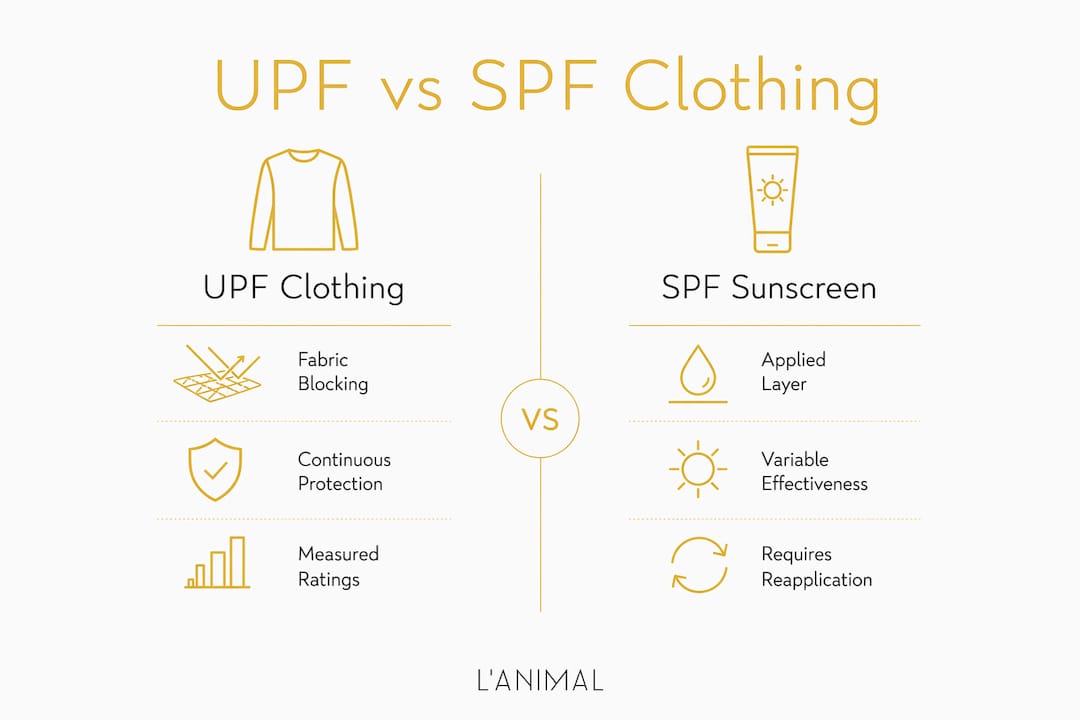
Experts recommend combining UPF 50+ clothing with broad-spectrum, water-resistant sunscreen on all exposed skin. Clothing covers the majority of your body surface, but the face, ears, neck, hands, and feet remain vulnerable. Dr. Abigail Waldman, director of the Mohs and Dermatologic Surgery Center at Harvard-affiliated Brigham and Women’s Hospital, states: “Any exposed skin still needs sunscreen, such as your neck, ears, hands, and feet.”
Fabric wetness and stretch reduce protection, as noted earlier. A loose-fitting UPF shirt that stays relatively dry performs significantly better than a tight rash guard that is soaked through. Best practices for combined beach sun protection:
Fabric structure, not just the UPF label, determines real-world performance. Tightly woven synthetic blends absorb UV more effectively than loosely woven natural fibers, a fact that runs counter to the common assumption that “natural” fabrics are better for your skin. Linen and gauze, popular beach choices, provide minimal UV defense regardless of how they are marketed.
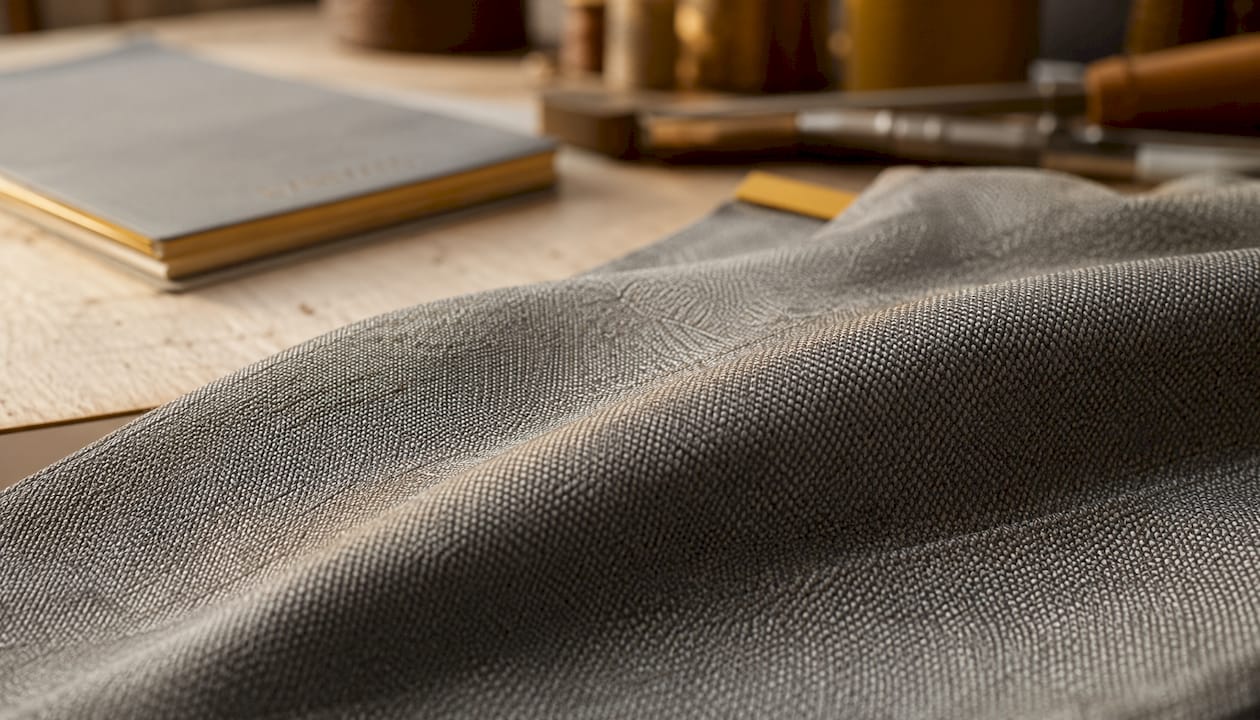
Fit is equally consequential. A garment that stretches tightly across the shoulders or back opens fiber gaps that let UV through. Loose-fitting garments maintain their UPF rating because the fabric stays in its original woven configuration. Durability also factors into long-term protection. UPF ratings degrade with repeated washing and wear, and most sun-protective garments require replacement after one to two years of regular use.
Expert selection criteria for sun-protective beach clothing:
Pro Tip: Wear a waterproof, broad-spectrum sunscreen under your UPF clothing on days when you will be sweating heavily or swimming. Dr. Waldman specifically recommends this layering approach to account for fabric performance loss when wet.
For a broader look at how UV-rated fabrics are constructed for beach use, the Lanimal UPF swimwear guide covers fabric ratings and labeling in practical detail.
UPF clothing benefits everyone at the beach, but certain groups have the most to gain from consistent use.

Children and infants have thinner, more UV-sensitive skin. Pediatric dermatologists recommend full-coverage UPF swimwear for children under 12, paired with mineral sunscreen on exposed areas. Infants under six months should be kept out of direct sun entirely, with UPF-rated shade structures and clothing as the primary defense.
Fair-skinned individuals and those with Fitzpatrick skin types I and II burn faster and carry a higher lifetime risk of melanoma. For this group, UPF 50+ clothing is not supplementary. It is the primary layer of protection, with sunscreen filling the gaps.
People with a history of skin cancer or photosensitivity often have medical recommendations to minimize UV exposure entirely. UPF clothing, combined with wide-brim hats and UV-blocking sunglasses, provides the most consistent defense available outside of full shade.
Older adults face cumulative UV damage from decades of sun exposure. While UPF clothing cannot reverse past damage, it limits further harm and reduces the risk of new actinic keratoses and squamous cell carcinomas.
Athletes and outdoor workers who spend extended time at the beach benefit from the durability and consistency of UPF clothing over sunscreen, which wears off with sweat and physical activity. For guidance on sun-protective apparel suited to active outdoor use across age groups, practical category breakdowns are available from outdoor lifestyle sources.
The scientific case for UPF clothing at the beach is well established. A peer-reviewed study published in Cancers compared UV-protective textiles directly against commercial broad-spectrum sunscreens and found that some sun-protective textiles block UV radiation more effectively than sunscreen applied at typical user density. The study’s title, “Slip versus Slop,” references the Australian sun safety framework and highlights a key finding: most people apply sunscreen at roughly half the recommended amount, which cuts its effective SPF significantly.
Clothing does not suffer from application error. A UPF 50+ shirt delivers its rated protection every time it is worn correctly, without the variability that comes from how much sunscreen a person applies or whether they missed a spot. The Skin Cancer Foundation uses this consistency as a primary argument for clothing as the first line of defense, with sunscreen as a complement rather than a substitute.
Research also confirms that UV protection in clothing degrades over time. Repeated laundering and physical wear break down fiber structure, and garments lose their rated UPF after approximately one to two years of regular use. Replacing sun-protective clothing on this schedule maintains the protection level the label promises.
UPF 50+ clothing provides very high protection against UVA and UVB rays, making it a consistent and reliable form of sun protection available for beach use.
| Point | Details |
|---|---|
| UPF 50+ is the gold standard | Fabric rated UPF 50+ blocks 98% of UV radiation, allowing only 2% to reach the skin. |
| Fabric and fit determine real protection | Tightly woven synthetic blends in a loose fit maintain UPF performance; stretch and wetness reduce it. |
| Sunscreen fills the gaps clothing cannot | Apply broad-spectrum SPF 30+ to ears, neck, hands, and feet whenever UPF clothing leaves them exposed. |
| Garments degrade and need replacement | UPF-rated clothing loses effectiveness after one to two years of regular use and washing. |
| All ages benefit, some more critically | Children, fair-skinned individuals, and those with skin cancer history gain the most from consistent UPF clothing use. |
For beach-ready swimwear that pairs style with sun awareness, the Sportif Bikini Bottom from Lanimal is designed with the active beach lifestyle in mind.