Free Shipping on US orders over $150
-
Collections
-
Bikini
- One Pieces
- Cover-Ups
- Men's
- Sale
- MODA GLAM x L'ANIMAL
- Nice Breed
-


Most people grab a cotton t-shirt and call it sun protection. That assumption is worth revisiting. Standard cotton offers roughly a UPF (ultraviolet protection factor) of 5 to 10, meaning a significant portion of UV radiation passes straight through to your skin. Modern UV protection clothing is engineered to block far more, with tested ratings that reach UPF 50 and beyond. The good news is that today’s sun-safe fabrics come in designs that work just as well on a rooftop terrace as they do on a white-sand beach, giving you both style and measurable protection in a single garment.
| Point | Details |
|---|---|
| Protection from UV | UV clothing offers more coverage than regular clothing. |
| Upkeep and Pro Tip | Maintain routine and stay a pro tip expert in sun safety. |
| UPF clothing vs. Sunwear | Sunwear covers all body steps, UPF clothes for beach or pro tip for the step. |
UV protection clothing is any garment designed and tested to block ultraviolet radiation from reaching the skin. The key term here is UPF, which stands for ultraviolet protection factor. UPF clothing is rated by measuring how much UV radiation a fabric blocks in a controlled lab setting. The higher the UPF number, the less UV gets through to your skin.
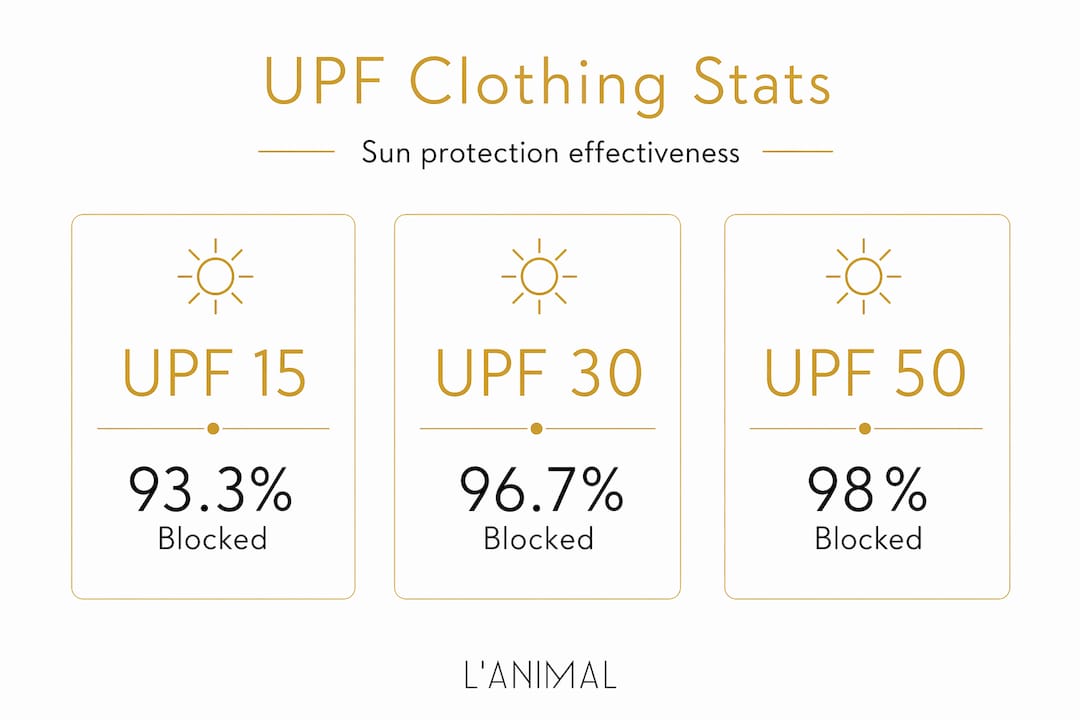
Think of UPF the way you think of SPF on a sunscreen bottle, but applied to fabric rather than lotion. A fabric rated UPF 50 blocks roughly 98% of UV rays. A plain white t-shirt, tested in the same way, often falls between UPF 5 and UPF 10. That is a dramatic difference in how much UV is actually reaching your skin.
What makes a fabric earn a UPF rating?
Most regular fabrics do not carry an official UPF label because they have never been submitted for testing. That does not mean they offer zero protection, but it does mean there is no reliable number on the tag telling you what you are actually getting.
A garment is only called UPF clothing when it has been independently tested and assigned a rating. Without that certification, you are estimating, not measuring.
If you are putting together a beach or outdoor outfit from scratch, our swimwear fit guide covers how to balance coverage, fit, and comfort so every piece actually works for your body and your day.
Now that we have introduced what UV protection clothing and UPF are, let us dig into UPF ratings and what they mean for your sun protection choices.
UPF ratings are assigned by laboratory testing that measures how much ultraviolet radiation passes through a fabric sample. Higher UPF means less UV passes through to your skin. The math is straightforward once you see it laid out.
| UPF rating | UV rays blocked | UV rays that pass through | Protection category |
|---|---|---|---|
| UPF 15 | 93.3% | 6.7% | Good |
| UPF 30 | 96.7% | 3.3% | Very good |
| UPF 40 | 97.5% | 2.5% | Excellent |
| UPF 50 | 98.0% | 2.0% | Excellent |
| UPF 50+ | Over 98.0% | Under 2.0% | Excellent (maximum) |
The jump from UPF 15 to UPF 30 cuts the UV reaching your skin nearly in half. Going from UPF 30 to UPF 50 reduces it again, though the percentage gains become smaller as you move up the scale. The UPF 50+ label is reserved for fabrics that allow less than 2% of UV radiation through, which represents the highest standard available for sun-protective clothing.
Why does this matter in practice? A full day at the beach involves several hours of direct exposure. Even small percentages of UV reaching your skin accumulate over that time. Wearing a UPF 30 garment instead of a basic cotton shirt can meaningfully reduce your total UV exposure across a day outdoors.
It is also worth noting that UPF ratings are not universal across all UV wavelengths. Labs test for both UVA and UVB rays. Both contribute to skin damage. UVB is the primary cause of sunburn, while UVA penetrates more deeply and contributes to skin aging and longer-term damage. A well-rated UPF garment addresses both.
Going from the technical side of UPF to what this means on the beach, the real-world performance of sun-protective clothing depends on more than just the rating on the tag.
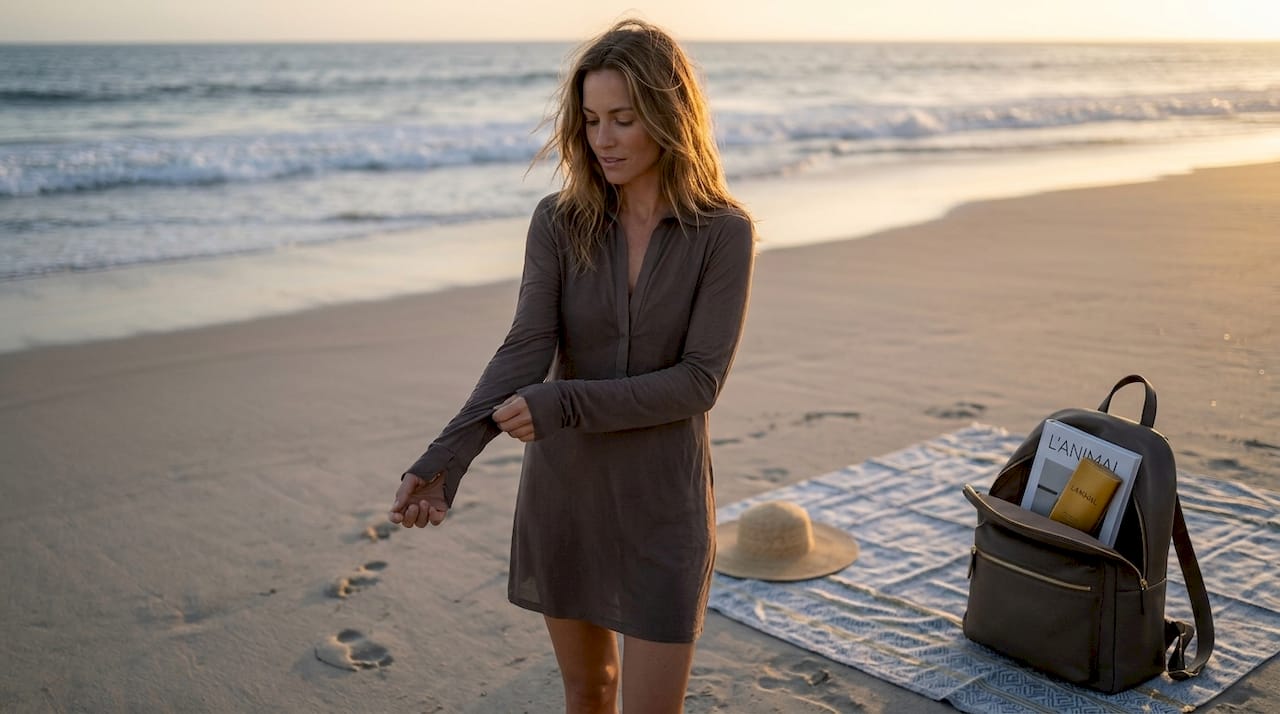
Coverage is the starting point. A UPF 50 crop top still leaves your midsection fully exposed. A UPF 30 long-sleeve rash guard covers your arms, shoulders, and torso. More coverage combined with a solid UPF rating gives you the strongest protection. The goal is to stay cool and sun-safe throughout the summer, not to layer on heavy clothing. Modern UV-protective fabrics are designed for exactly this: lightweight, breathable, and rated to perform in heat and humidity.
Fit and stretch affect performance. Wetting and stretching can reduce UPF compared to dry, unworn fabric. When you pull a fabric tight or soak it, the weave structure changes slightly. Gaps between fibers can widen, allowing more UV through than the tag suggests. This is particularly relevant for swimwear and rash guards that are worn wet and stretched across the body during movement.
Practical considerations for beach and outdoor wear:
Pro Tip: For all-day beach outings, pair a UPF-rated swimsuit cover-up or long-sleeve rashguard with a wide-brim hat. This combination protects your torso, arms, and face without requiring you to reapply sunscreen to every area every two hours.
Selecting UV protection clothing is straightforward when you know what to look for. The market has expanded significantly, so there are now options that work for competitive swimmers, casual beachgoers, and resort travelers alike.
Check the label first. A garment that claims UV protection without displaying an actual UPF number is not certified. Look for a clearly printed UPF value (UPF 30, UPF 50, UPF 50+) on the tag or product description. Reputable sellers will display this prominently because it is a key quality marker.
Buy from verified sources. Generic or unbranded beachwear sold without testing documentation is a risk. Stick to swimwear brands and outdoor clothing retailers that specialize in sun-protective gear and can provide certification details. This is especially important for children’s sun-protective clothing, where the stakes are higher.
Key factors to evaluate when buying:
Pro Tip: Before buying, check whether the UV protection is structural (built into the fiber or weave) or chemical (applied as a surface treatment). Structural protection lasts the life of the garment. Chemical treatments may degrade after repeated washing.
Our swimwear shopping guide gives you a practical checklist for finding pieces that check every box, from fabric performance to fit and style.
Understanding UPF ratings and buying certified clothing is only part of the picture. Keeping that protection intact over time requires some practical maintenance.
Wash care matters. Fabric-based UV protection holds up well through washing when you follow care instructions. Hot water and harsh detergents can degrade certain fabric finishes. Cold water and gentle cycles extend the life of sun-protective garments.
Inspect for wear. Over time, fabric fibers thin out in high-friction areas like underarms and shoulder seams. A visibly worn or thinning fabric offers less protection than a new one, regardless of its original UPF rating.
Storage and exposure. Prolonged exposure to chlorine (from pools) and heavy sunscreen products can break down fabric structure. Rinse UV clothing in fresh water after pool or beach use.
Combine, do not rely on one thing alone. UV clothing covers what it covers. It does not protect exposed skin on your face, ears, or hands. Sunscreen, sunglasses with UV protection, and a wide-brim hat fill those gaps. The strongest approach layers all of these together.
Style and practicality can coexist in sun-safe dressing. Longer silhouettes, looser fits in lightweight fabrics, and versatile cover-ups all give you options that look polished and work hard in the sun at the same time.
The fashion conversation around sun-protective clothing is still catching up to the practical reality. Most sun-safe garments used to look strictly utilitarian: long sleeves, plain colors, functional but not fashionable. That changed as swimwear designers started building UPF performance into genuinely stylish pieces.
The perspective worth holding here is that sun protection and style are not competing priorities. They never were. A well-cut long-sleeve swim top in a bold print offers the same UPF coverage as a plain rash guard. The decision to choose one over the other is entirely about personal taste, not about sacrificing function for fashion or the other way around.
What the market has not done well enough yet is make UPF labeling consistent and clear. Too many garments use vague phrases like “sun-protective” without printing an actual UPF number. Shoppers deserve clear, standardized information on every sun-protective piece they buy, the same way nutrition labels work on food. Until that becomes the norm, checking for a specific UPF number before buying is the most reliable filter you have.
The practical truth is that most beachgoers underestimate how much UV they accumulate during a single day outdoors. A morning swim, lunch on the sand, an afternoon walk along the shore: each of those adds up. Clothing that carries a tested UPF rating removes a large portion of that exposure without requiring you to remember reapplication schedules or worry about sunscreen rubbing off in the water.
At L’ANIMAL, designer Lital Simel-Rhedrick builds sun-protective swimwear that holds up to both quality standards and serious style expectations. Every piece is selected with attention to fabric performance, fit, and the kind of timeless aesthetic that travels from the beach to wherever the day takes you.

The L’ANIMAL collection includes options for women and men, along with exclusive collaboration collections developed with leading fashion influencers. Whether you are looking for a structured one-piece, a versatile cover-up, or boardshorts built for real water time, the range at lanimal.co covers you with both style and substance. Quality, detail, and sun-safe design in every piece.
No, UPF clothing is not a replacement for sunscreen. It protects covered areas, but sunscreen is still needed for exposed skin including the face, neck, and hands.
Look for a specific UPF number printed on the tag or product description. A garment that uses general language without a tested UPF rating number has not been independently certified and should not be relied on for sun protection.
Yes, certified UPF clothing is reliable for beach use, provided you choose the right coverage for your activity and combine it with sunscreen for exposed skin, sunglasses, and a hat for complete protection.
UPF 30 is the minimum recommended for meaningful sun protection. UPF 50 or UPF 50+ provides the highest level of protection available in tested sun-protective clothing.


