Free Shipping on US orders over $150
-
Collections
-
Bikini
- One Pieces
- Cover-Ups
- Men's
- Sale
- MODA GLAM x L'ANIMAL
- Nice Breed
-


Ethical fashion is clothing designed, made, and sold with deliberate attention to fair labor, animal welfare, and reduced environmental harm across the supply chain. It’s a social framework first, not just an environmental one: it asks who made your clothes, whether they were paid fairly, and whether the process harmed animals or ecosystems along the way.
A handful of signals back this up quickly. Fashion Revolution has spent over a decade pressuring brands to publish supply-chain data after the Rana Plaza factory collapse. Certifications like the Global Organic Textile Standard (GOTS) and Fair Trade programs give shoppers a way to verify labor and environmental claims instead of taking a brand’s word for it. And the math on overconsumption is stark: clothing production has roughly doubled globally while the number of times each garment gets worn has dropped by about 40 percent.
Here’s what that means for you at checkout:
Ethical fashion means evaluating labor conditions, environmental impact, and animal welfare together, and buying less while wearing each garment longer does more good than any single material choice.
| Point | Details |
|---|---|
| Three pillars, not one scale | Weigh labor, environment, and animal welfare separately since no brand maximizes all three at once. |
| Certifications are partial proof | GOTS, Fair Trade, B Corp, and OEKO-TEX each cover a narrow slice; look for multiple stacked signals. |
| Volume beats perfection | Buying less and wearing garments longer outweighs picking the “perfect” single ethical purchase. |
| Vague language is a red flag | Words like “eco-conscious” without a certification or metric attached signal marketing, not evidence. |
| Ask for specifics | Request factory names, wage benchmarks, and chemical-testing details before trusting a brand’s claims. |
The phrase gets used loosely, which is part of the confusion. When The Good Trade defines ethical fashion, they frame it as garment production that focuses on reducing harm to people and the planet, prompting questions like “Who made this garment?” and “Is that person earning a fair living wage?” That framing matters because it puts labor front and center, ahead of the environmental talking points that dominate most sustainability marketing.
Three pillars organize the field in a way that’s actually useful when you’re shopping, not just academically tidy. A framework from the Centro di Ricerca ModaCult breaks ethical fashion into responsibility toward oneself, toward others, and toward the environment.
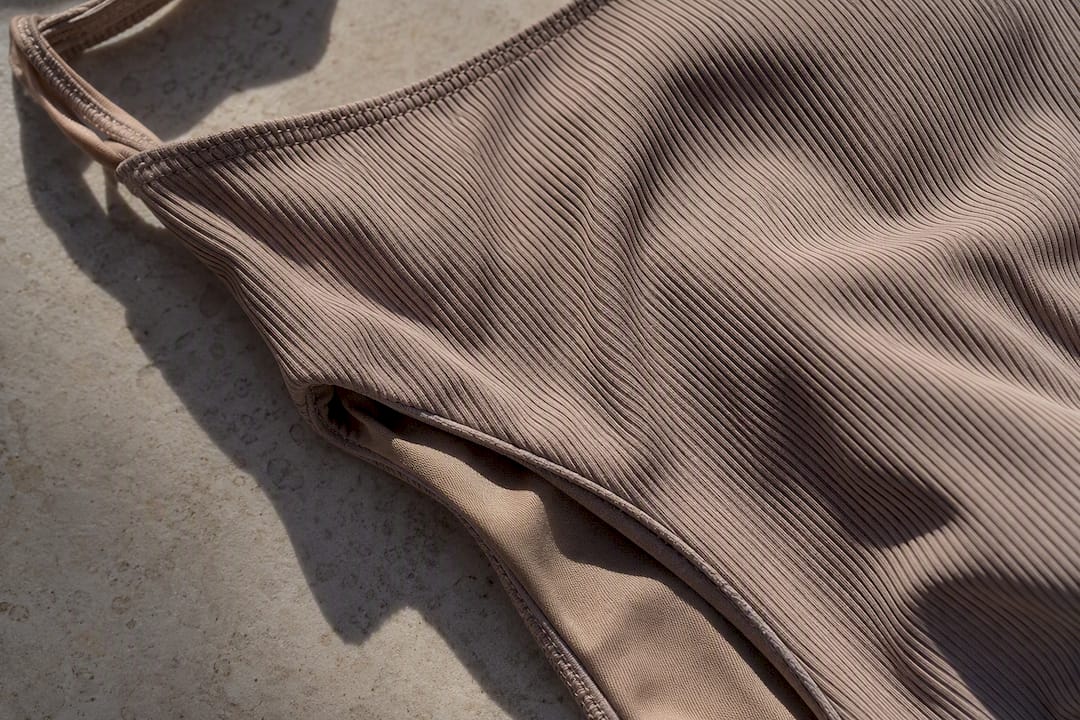
Toward yourself means the garment isn’t secretly working against your health. Non-toxic dyes, finishes free of harsh chemical residue, and fabrics that won’t irritate skin or leach substances during wear all fall here. This pillar gets ignored constantly because it’s invisible; you can’t see formaldehyde finishing agents or azo dyes on a hanger.
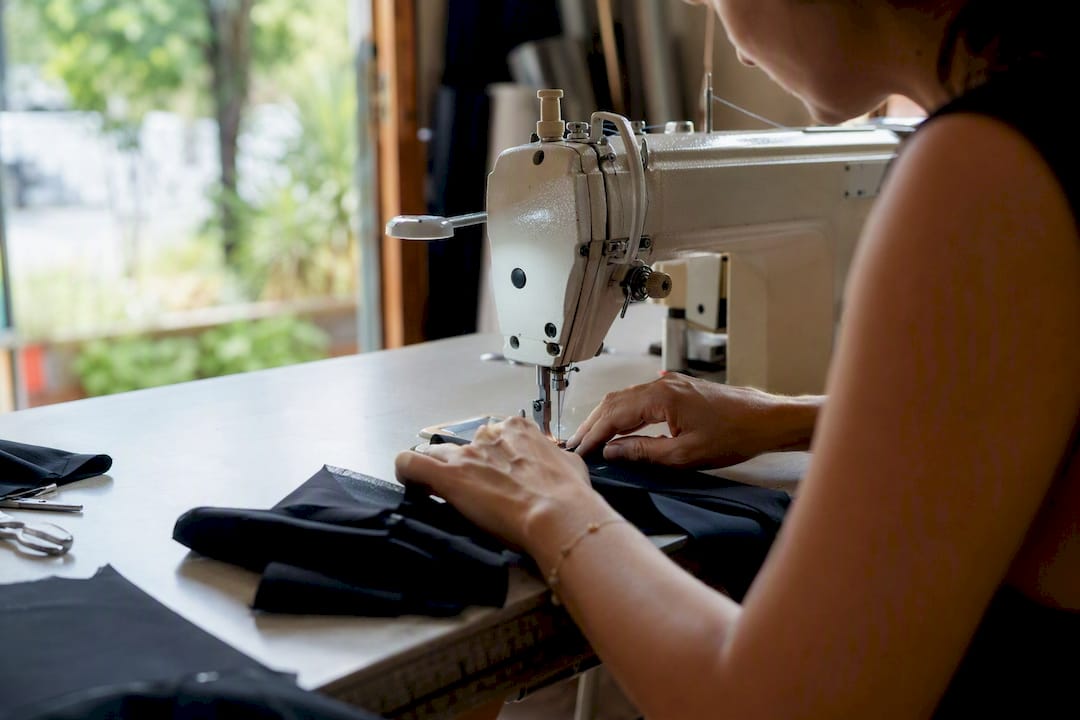
Toward others covers the labor side: living wages, safe factory conditions, reasonable hours, and freedom from forced or child labor. This is where the “ethical” framing does its heaviest lifting, since it’s the piece sustainable-fashion messaging tends to underweight.
Toward the environment includes fiber sourcing, water use, chemical runoff, carbon output, and what happens to the garment at end of life. This is the pillar most brands lead with because it photographs well: organic cotton fields, recycled polyester spun from bottles, biodegradable packaging.
Here’s where it gets genuinely complicated for shoppers: these pillars don’t always point the same direction. A vegan handbag made from petroleum-based synthetic leather avoids animal products but can carry a heavier environmental footprint than a well-sourced leather alternative. A factory paying a certified living wage might still rely on synthetic dyes with a larger carbon output than a small-batch natural dye process. Values-based shopping means picking your priorities, not finding a mythical product that maxes out every category. Experts note that ethical fashion works better as a personal framework than a rigid checklist, since shoppers weigh things like veganism against living-wage guarantees differently.
Pro Tip: Pick your non-negotiable pillar before you shop, not while you’re standing at checkout. If labor conditions matter most to you, filter for wage transparency first and treat everything else as a bonus. If animal welfare is your priority, screen for vegan certifications before comparing fabric footprints.
These three terms get used interchangeably online, which causes real confusion when you’re trying to evaluate a brand’s claims. They overlap heavily but emphasize different things.
Ethical fashion centers on people. As Good On You puts it, the term is frequently used to emphasize social impacts, living wages, safety standards, and labor rights, while sustainable fashion tends to emphasize environmental metrics. Slow fashion is more of a production philosophy: fewer collections, higher quality, garments built to last rather than to be replaced next season. Sustainable fashion, meanwhile, typically covers the full lifecycle, from raw material to disposal, including environmental impact, worker protection, and animal welfare.
| Term | Primary emphasis | Typical claims | Common measures |
|---|---|---|---|
| Ethical fashion | Human welfare and animal welfare | Fair wages, safe factories, cruelty-free materials | Certifications, factory audits, sourcing transparency |
| Sustainable fashion | Environmental lifecycle impact | Lower emissions, reduced water use, recyclable materials | Carbon footprint data, water usage figures, recycled content percentage |
| Slow fashion | Production pace and longevity | Fewer seasonal drops, durable construction, made-to-order | Garment lifespan, repair programs, limited-run production |
A brand can genuinely overlap all three: a swimwear line using GOTS-certified organic fabric (sustainable), paying garment workers a documented living wage (ethical), and releasing two collections a year instead of twelve (slow). But a brand can also claim one and quietly ignore the others, like a “sustainable” polyester swimsuit made in a factory with no published labor audit.
When you read brand marketing, watch for which word they’re actually using and whether they back it with specifics. “Eco-friendly” and “conscious” are marketing words with no regulated meaning. “GOTS-certified organic cotton, audited annually” is a verifiable claim.
Understanding the harms makes the whole framework click. Ethical fashion isn’t an abstract values exercise. It’s a direct response to documented, ongoing problems across three categories.
Garment work remains one of the most exploited labor categories globally. Workers in major production hubs often earn far below a living wage, work excessive hours, and face unsafe factory conditions, issues that groups like Labour Behind The Label have tracked for years through direct reporting on supply-chain abuses. Supply-chain opacity compounds the problem: most brands historically haven’t disclosed which factories make their clothes, making abuse nearly impossible to trace or hold accountable.
The scale here is genuinely large. The fashion industry is a major consumer of freshwater and a significant contributor to global emissions, which puts fiber and production choices at the center of any real ethical assessment. Synthetic fibers shed microplastics with every wash. Conventional cotton is water-intensive and often chemically intensive. Overproduction means unsold inventory frequently ends up landfilled or burned rather than resold.
The consumption pattern behind this is worth sitting with. Clothing production has doubled over the past couple of decades while the number of times each garment gets worn has dropped roughly 40 percent. We’re making twice as much and using each piece half as much. That gap, not any single fabric choice, is the biggest lever in the whole system.
Leather tanning, fur farming, and down harvesting each raise distinct welfare concerns, from live-plucking practices in down production to inhumane conditions in some fur operations. Vegan alternatives have expanded rapidly, but quality varies widely: some plant-based leathers (like those made from cactus or mushroom mycelium) hold up well, while others are essentially rebranded plastic with a shorter lifespan than the animal material they replace. If animal welfare is your priority pillar, check what the vegan alternative is actually made from, not just that it avoids animal products.
Mitigating these harms at the brand level usually starts with better dye chemistry, third-party chemical testing (more on that below), and honest sourcing disclosure rather than a single silver-bullet fix.
Turning good intentions into real practice takes specific, verifiable actions, not a mission statement. Brands serious about this work tend to invest in the same handful of levers.
A practical illustration: a swimwear brand that maps its fabric mill, dye house, and cut-and-sew facility, then publishes third-party audit summaries for each, is doing the traceability work that lets a shopper actually verify a labor claim instead of trusting a logo. That kind of made-to-order or small-batch model also reduces overproduction waste by design, since custom and limited-run production sidesteps the unsold-inventory problem that mass manufacturing struggles with.
Greenwashing thrives on vague, unverifiable language. If a brand’s sustainability page uses words like “eco-conscious,” “green,” or “responsibly made” without naming a certification, a supplier, or a specific metric, treat it as marketing copy, not evidence. The absence of a single regulated definition for ethical fashion means brands can use these terms freely, so the burden of proof falls on you to ask what backs the claim.
Watch for buzzwords used without supporting data, recycled-content claims with no percentage disclosed, and “sustainable collection” language applied to only a tiny fraction of a brand’s overall output.
Certifications exist to take some of the guesswork out of shopping, but each one covers a specific, narrow slice of the process. None of them certify everything, so treat a single label as one data point rather than a full endorsement.
| Certification | What it certifies | Where it falls short |
|---|---|---|
| GOTS (Global Organic Textile Standard) | Organic fiber content plus environmental and social criteria through processing | Doesn’t cover synthetic-fiber garments; focuses mainly on textile processing stages |
| Fair Trade Certified / Fairtrade International | Fair pricing, safe working conditions, community development funds for producers | Coverage is often limited to raw materials like cotton, not the full finished garment |
| B Corp | Overall company governance, worker treatment, and environmental impact across the business | Certifies the company, not every individual product line |
| OEKO-TEX | Absence of harmful substances in the finished textile | Says nothing about labor conditions or wages in production |
| Responsible Wool Standard | Animal welfare and land management on wool-producing farms | Applies only to wool, not other fibers in a blended garment |
Give more weight to a brand that stacks multiple certifications across different pillars (say, GOTS for materials plus a published living-wage audit) than one that leans on a single logo. A single certification tells you one thing went right; it doesn’t vouch for the whole supply chain.
Pro Tip: Click through to the certifying body’s own site and check the scope of what was actually audited, not just the year it was issued. A GOTS certificate covering fabric sourcing doesn’t tell you anything about factory wages three steps down the chain.
Understanding the framework is one thing. Acting on it at checkout is another. Here’s a prioritized approach that actually changes what you buy.
When you contact a brand directly, ask specific questions rather than general ones:
Red flags worth walking away from: no factory information anywhere on the site, recycled-content claims with no percentage attached, and sustainability language that applies to one “capsule collection” while the rest of the catalog gets no mention at all. And be honest about trade-offs: ethically produced pieces often cost more upfront, come in more limited sizing or color runs, and require more research time than one-click fast fashion. That’s a real cost, not a moral failing if you can’t absorb it on every purchase. Prioritizing a few key pieces, like a swimsuit you’ll wear season after season, makes the trade-off more manageable.
Most confusion about ethical fashion comes from treating it as one scale instead of three separate ones. Once you separate the pillars, the trade-offs stop feeling contradictory and start feeling like priorities.
The three-pillar structure (toward yourself, toward others, toward the environment) works because it resolves the “but this brand isn’t perfect” paralysis that stops a lot of shoppers from acting at all. No brand maxes out all three simultaneously. The useful question isn’t “is this brand perfect?” It’s “does this purchase align with the pillar I care about most?”
That translates into simple action rules:
The behavior that moves the needle regardless of which pillar you rank first is consumption volume. Buying half as much and wearing each piece twice as long does more collective good than perfecting any single purchase, since production has doubled while per-garment wear has fallen roughly 40 percent. Fix the volume problem first; optimize the individual purchase second.
No single source has the full picture, so cross-checking matters more than trusting any one platform.
Use at least two of these before trusting a brand’s own sustainability page. A brand that scores well on Good On You but shows up in a Labour Behind The Label report deserves a second look, not a pass.
Designing swimwear puts you closer to the fabric-and-labor tension than most fashion categories, because swim fabric has to perform (stretch recovery, chlorine and salt resistance, UV durability) while still meeting a real ethical bar. That constraint has shaped how I think about sourcing at Lanimal: a fabric that fails after one season isn’t sustainable no matter what it’s made from, and a low price that hides an unaudited factory isn’t ethical no matter how the tag reads.
The honest answer is that trade-offs are constant, not solved. What matters is being straightforward about which pillar a given fabric or production choice serves, and letting shoppers make an informed call rather than a marketing-driven one. If you want to go deeper on the swimwear-specific side of this, Lanimal’s ethical swimwear guide covers the material and construction questions worth asking before your next purchase.
What is ethical fashion in simple terms? Ethical fashion is clothing made and sold with attention to fair labor, animal welfare, and reduced environmental harm. It centers on the people and animals involved in production, not just the environmental footprint of materials.
How is ethical fashion different from sustainable fashion? Ethical fashion emphasizes social impact (wages, safety, labor rights), while sustainable fashion tends to focus on environmental metrics like emissions and water use. The two overlap constantly but aren’t the same measurement.
What are the main principles of ethical fashion? The core principles group into three pillars: responsibility toward yourself (non-toxic materials), toward others (fair labor and safe conditions), and toward the environment (sustainable materials and lower-impact production).
How can I identify an ethical clothing brand? Look for published factory information, third-party certifications like GOTS or Fair Trade, and specific data on wages or emissions rather than vague terms like “eco-friendly.” Cross-check claims against a watchdog like Good On You or Fashion Revolution.
Is ethical fashion always more expensive? Often, yes, since fair wages and safer chemistry raise production costs. Buying fewer, higher-quality pieces and extending their use can offset the higher upfront price over time.
Does ethical fashion include animal welfare? Yes. Ethical fashion frameworks typically address leather, fur, down, and exotic skins alongside labor and environmental concerns, and evaluate vegan alternatives on their own material footprint rather than assuming they’re automatically better.


